Best Fruit Plants to Grow at Home: 10 Easy Choices for Home Gardeners
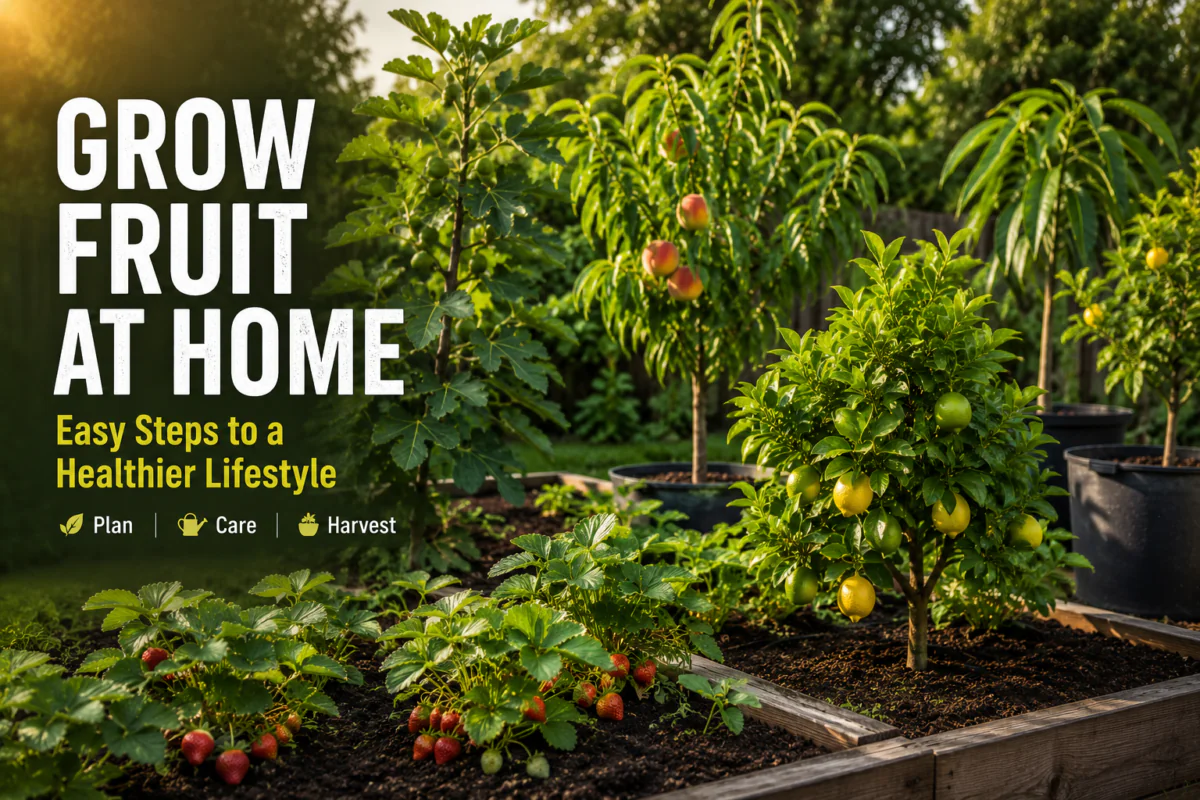
A home fruit garden can turn available outdoor space into a productive source of fresh harvests, patio, or other available outdoor space. The right choice depends on your climate, the amount of space you have, and whether you plan to grow in the ground or in containers.
Some fruit plants are well suited to beginners because they can adapt to home-garden conditions and, in some cases, can be grown in pots or other compact spaces. In this guide, we will look at several fruit plants that can work well for home gardeners, along with the growing conditions and space considerations that make each one a practical choice.
Table of Contents
ToggleLemon Trees
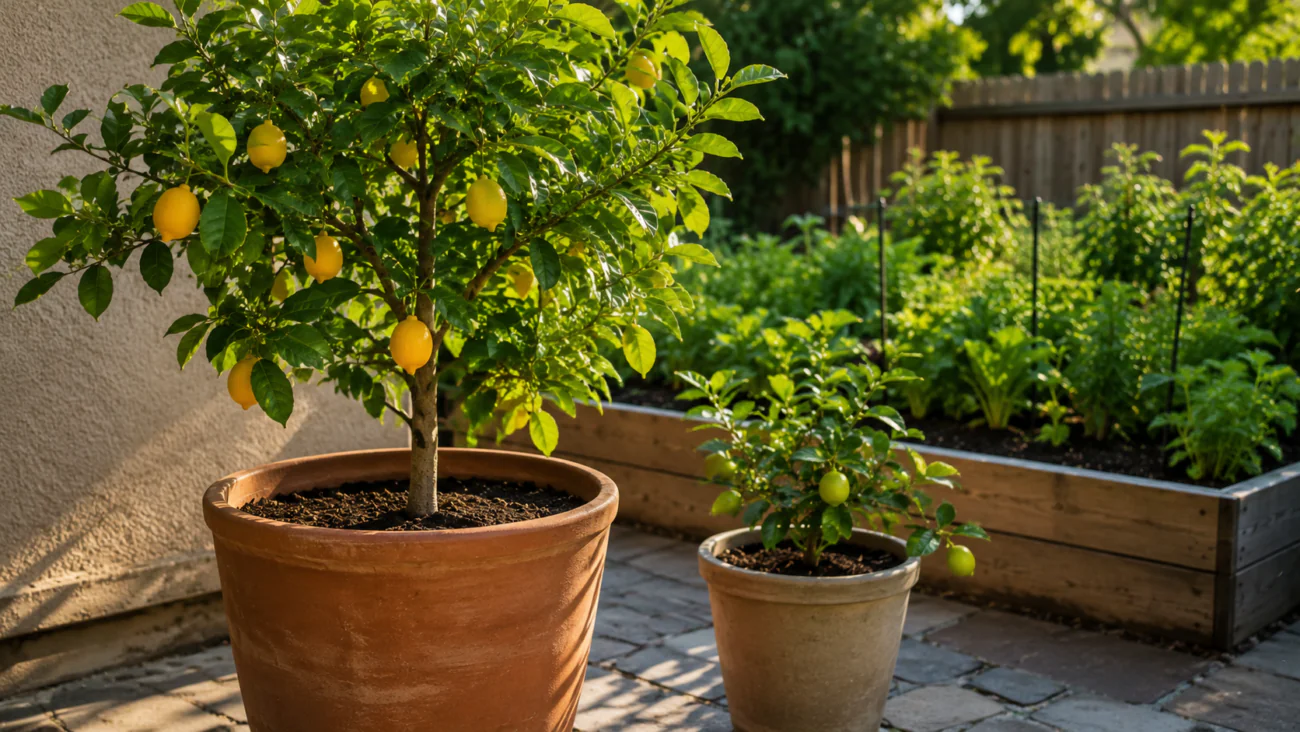
Lemon trees are a popular choice for home gardens, and some compact varieties can also be grown successfully in containers. The original draft highlights Meyer lemon as a particularly popular option and notes that lemons can be suitable for smaller growing spaces when grown in containers.
Why Lemon Trees Are Good for Home Gardens
Lemon trees can be a useful addition to a home garden because they combine ornamental value with fruit production. They are especially attractive to gardeners who want a productive tree without needing a very large planting area.
Before choosing a lemon tree, consider your local climate and the mature size of the variety. A suitable location with good sunlight and enough room for the root system will help the tree establish properly.
Growing Lemon Trees in Containers
Container growing can make lemons more practical for gardeners with limited space. A suitable pot allows you to control the growing medium and makes it possible to move the plant when weather conditions become unfavorable.
Compact or dwarf lemon varieties are generally easier to manage in containers than large trees. Choose a container with good drainage, use a suitable growing medium, and place the plant where it can receive plenty of sunlight.
Best Lemon Varieties for Home Gardens
Meyer lemon is one of the varieties worth considering for a home garden. When choosing a lemon tree, however, your local climate and available space should matter more than simply choosing a popular variety.
Strawberries
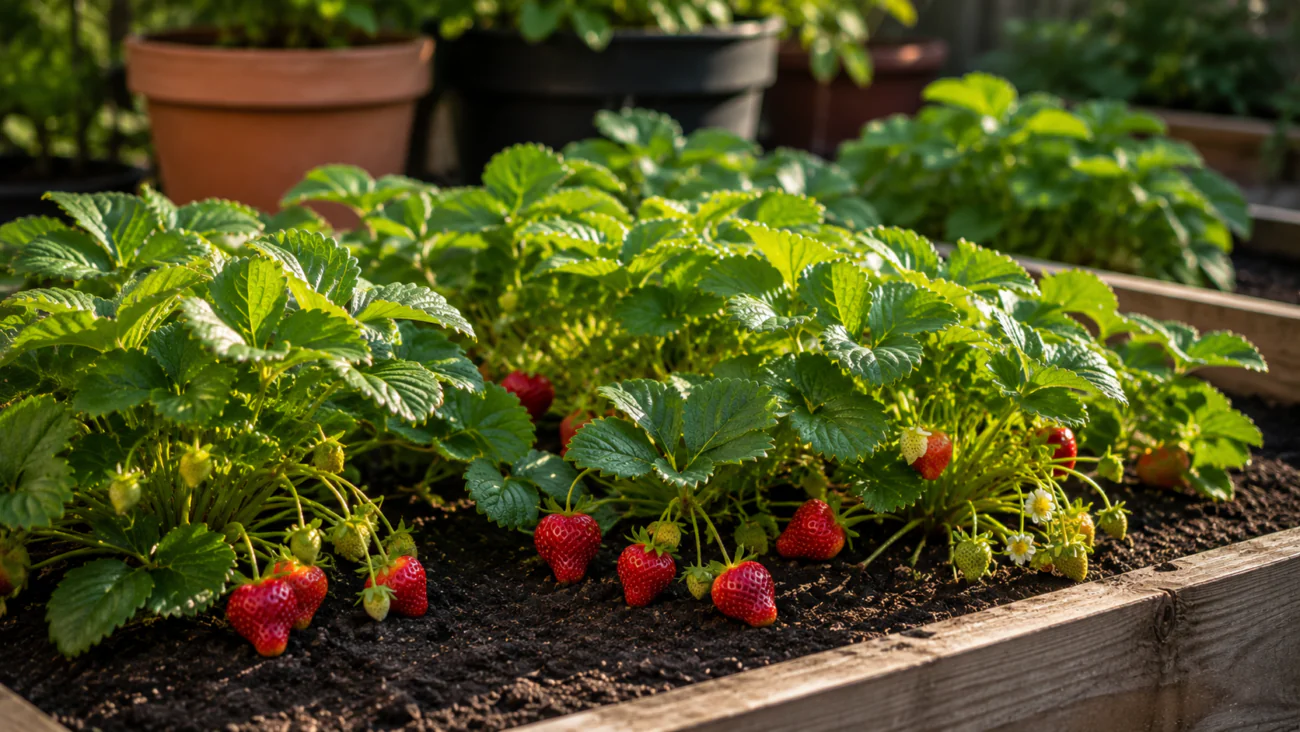
Strawberries are another practical choice for home gardeners because they can be grown in garden beds, containers, and other relatively small spaces. The original draft also identifies early to mid-spring and early autumn as useful planting periods, depending on local conditions.
Growing Strawberries in the Garden
Select a bright planting site with appropriate soil and enough space for the strawberry plants to expand. Strawberries can produce runners as they grow, so giving the plants enough space helps keep the planting area manageable.
Keep the soil consistently moist while young plants establish and continue watering carefully as fruit begins to develop. Avoid allowing the soil to remain excessively wet, particularly in areas with poor drainage.
Growing Strawberries in Containers
Because strawberries have relatively modest space requirements, they are a practical fruit crop for container gardeners. Growing strawberries in pots gives you greater control over the growing medium and can also reduce competition from garden weeds.
Choose a container with drainage holes and use a fertile, well-draining growing medium. Place it somewhere with good sunlight and monitor moisture regularly, especially during warm weather.
Starting Strawberries From Seeds
Seed propagation is possible, but established strawberry plants are often the simpler starting point when an earlier harvest is the goal.
The original draft suggests collecting seeds from mature strawberries, but this approach is more involved than simply purchasing healthy starter plants. For a beginner-focused article, the important point is that strawberries can be propagated from seed, while nursery plants or other established planting material may provide a simpler starting point.
Banana Plants
Gardeners in warm regions can consider banana plants when their local climate provides suitable growing conditions. They grow rapidly under favorable conditions and can produce fruit within a relatively short period compared with many fruit trees. The original draft describes bananas as warm-weather plants and notes that fruit production may occur within roughly 15–18 months under suitable conditions.
Growing Bananas in Warm Climates
Choose a location with plenty of sunlight and enough room for the plant to develop. Bananas prefer warm conditions and may struggle when exposed to prolonged cold.
Consistent moisture also helps maintain healthy growth. Before planting, consider the mature size of the banana plant and make sure it will not crowd nearby structures or other crops.
Banana Plants for Small Home Gardens
Since banana plants can become quite large, they are most practical where there is sufficient room for their leaves and root system to expand. A smaller variety can be more manageable when space is limited.
Container-Grown Banana Plants
Some banana varieties can be grown in large containers, particularly compact types. Container growing can also make it easier to protect the plant from unfavorable weather, although the pot still needs to provide sufficient room for healthy root development.
Mango Trees
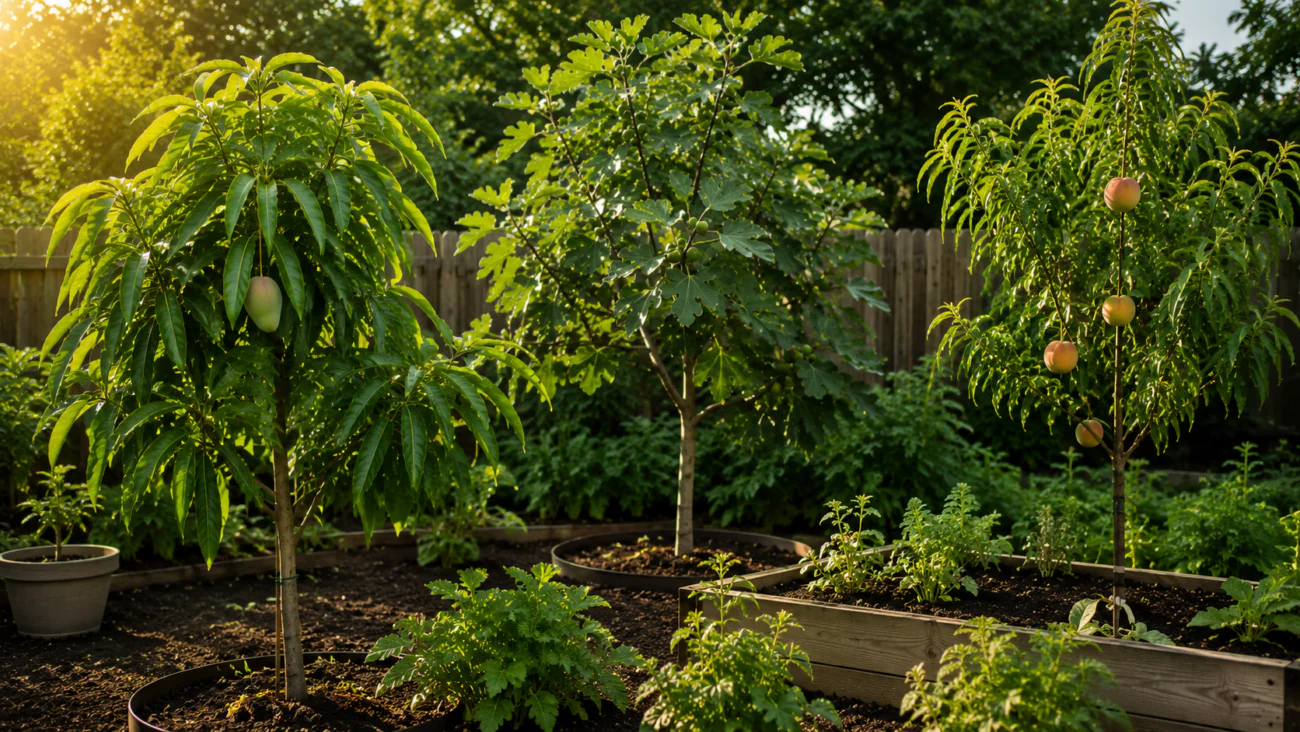
Mango trees are particularly suitable for gardeners whose climate remains warm enough to support their growth. The original draft specifically highlights Florida as a strong location for mango growing because of its warm conditions and long growing season.
Growing Mangoes in Warm Climates
For healthy growth, mango trees need warm weather and a location with abundant sunlight. Choose a location where the tree will have enough room to develop as it matures.
Before planting, consider the size of the variety you are selecting. A mango tree can become a long-term landscape plant, so planning for its mature size is important.
Best Mango Varieties for Home Gardens
The best mango variety depends on your climate, available space, and whether you prefer a compact tree or a larger landscape tree.
Gardeners in warmer areas can look for varieties suited to their local conditions rather than choosing solely on fruit flavor or popularity.
How Long Mango Trees Take to Produce Fruit
The time required for a mango tree to produce fruit depends heavily on how the tree was propagated and which variety you choose. Grafted nursery trees can behave very differently from trees grown from seed.
For that reason, avoid assuming that every mango tree will begin fruiting after the same number of years. Check the expected fruiting timeline for the specific variety and planting material you purchase.
Orange Trees
Orange trees are another popular option for home gardens. They can also be grown in containers when you choose a suitable compact variety. The original draft notes that smaller orange trees can work well in pots and that fruiting commonly takes several years.
Growing Orange Trees at Home
Choose a sunny location with enough room for the tree to develop. Good sunlight and regular care can help support healthy growth and fruit production.
Before planting, consider the expected mature size of the tree. A full-sized orange tree needs considerably more space than a compact or dwarf type.
Growing Dwarf Orange Trees in Containers
Dwarf orange trees can be a practical choice when your garden space is limited. A large container can provide enough room for the roots while allowing you to keep the tree on a patio or other compact growing area.
Use a container with good drainage and provide plenty of sunlight. Regular watering is important, particularly when the plant is growing in a restricted amount of soil.
When Orange Trees Start Producing Fruit
The original draft suggests that orange trees may take around 3–5 years to produce fruit. However, the exact timeline can vary, so gardeners should consider the variety and type of planting material when estimating the first harvest.
Fig Trees
Fig trees can be a strong choice for home gardeners, particularly in regions where the climate suits them. The original draft highlights figs as a popular option in Texas and mentions varieties such as Black Mission, Kadota, and Chicago Hardy.
Best Fig Varieties for Home Gardens
Black Mission, Kadota, and Chicago Hardy are among the varieties mentioned in the original draft. When choosing a fig tree, consider the variety’s suitability for your local climate and how much room you have available.
Different fig varieties can have different growth habits, so selecting one that matches your growing conditions can make long-term care easier.
Growing Figs in Containers
Figs can also be grown in large containers, making them an option for gardeners who want fruit production without planting directly in the ground.
Because fig trees can become large, container growing works best when you choose a suitable variety and provide a sufficiently large pot. Monitor watering carefully, as container-grown plants can dry out more quickly than those growing in the ground.
Fig Tree Space and Sunlight Requirements
The original draft notes that some fig trees can reach around 25–30 feet in height, so space planning is important for full-sized varieties. Figs also benefit from plenty of sunlight and regular watering.
Before planting, consider both the mature height and spread of the tree so it does not crowd buildings, pathways, or other plants.
Peach Trees
Peaches are another popular fruit for home gardens, especially in areas where the climate and winter conditions are suitable. The original draft highlights several types, including freestone, clingstone, and donut peaches, and recommends selecting a variety according to your growing zone.
Choosing the Right Peach Variety
The right peach variety depends on your climate and local winter conditions. Some varieties are better suited to colder areas, while low-chill varieties can be useful where winters are milder.
Freestone, clingstone, and donut peaches are different types that can be considered according to your preferred fruit characteristics and growing environment.
Growing Peaches in a Backyard Garden
Peach trees need a sunny planting location with enough room for the tree to develop. The source material notes that peaches prefer loamy soil but can also grow in sandy or clay soils when conditions are suitable.
Before planting, improve the growing area if necessary and make sure the tree will receive around 6–8 hours of direct sunlight.
Peach Trees for Different Climates
Climate should be one of the first considerations when selecting a peach tree. The original draft specifically mentions both cold-hardy and low-chill varieties, showing why variety selection needs to match the local environment.
If you are unsure which peach variety is appropriate, compare the variety’s chill requirement and expected growing conditions with those of your area.
Kiwi Plants
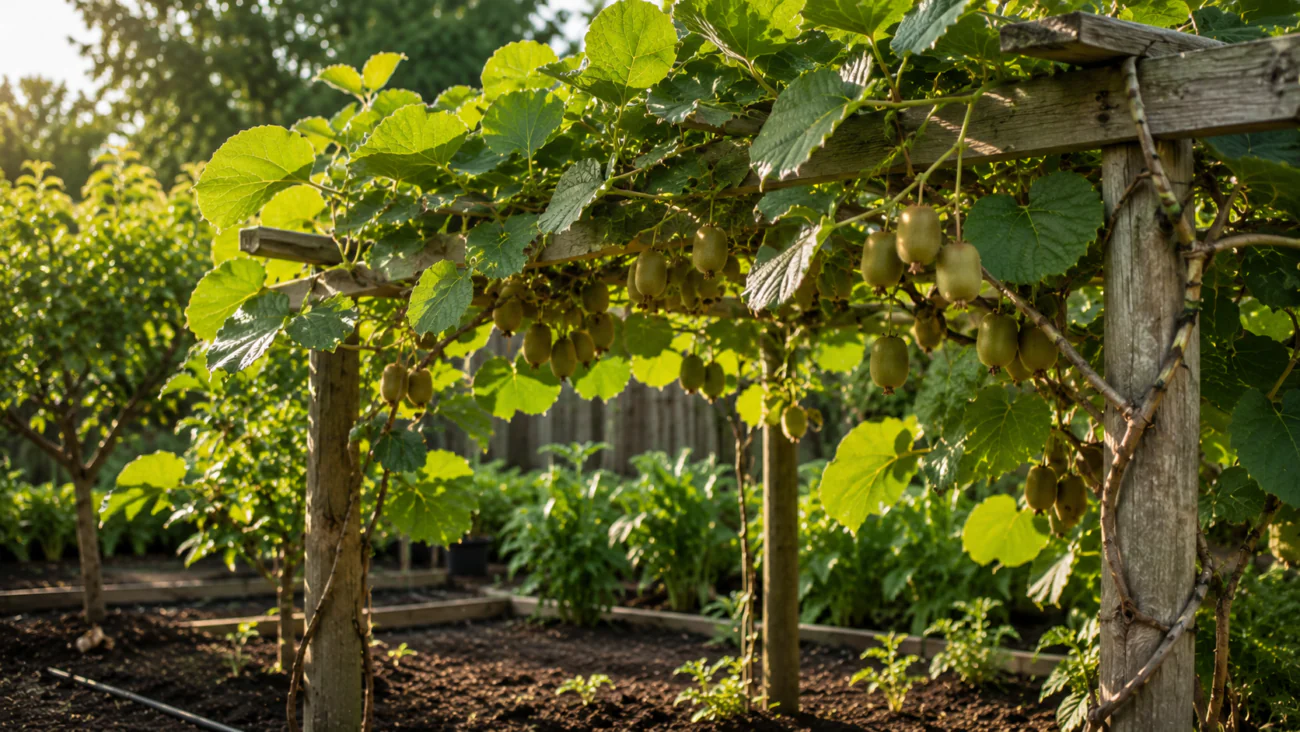
Kiwi can be an interesting choice for gardeners who want to grow something less common. However, it is more demanding than some of the other fruit plants in this guide, so it should not be presented as an effortless beginner crop.
The original draft notes that kiwi originated in China and identifies green kiwi, golden kiwi, and baby kiwi as different types. It also states that kiwi can grow in full sun or light shade and prefers acidic soil with a pH of about 6.0–6.5.
Growing Kiwi at Home
Choose a location with enough space for the plant to develop and provide a suitable support structure for its vigorous growth.
Before planting, consider the local climate and whether your garden can provide the growing conditions the selected kiwi type requires.
Kiwi Sunlight and Soil Requirements
Kiwi can grow in full sun or light shade according to the source material. The soil should be suitable for the plant and somewhat acidic, with a target pH of approximately 6.0–6.5.
Preparing the growing area before planting can make it easier to maintain the conditions the plant needs over the long term.
Pollination Requirements for Kiwi Plants
Kiwi should not be treated as a simple one-plant fruit crop without checking the variety’s pollination needs. Before buying plants, confirm whether the selected type requires a compatible pollinizing plant.
Planning for pollination from the beginning can make a major difference when your goal is fruit production rather than simply growing the vine.
Dwarf Citrus Trees
Dwarf citrus trees can be useful for gardeners who want to grow fruit in a smaller space. Their compact size makes some varieties suitable for patios, balconies, and containers, while still providing the opportunity to produce fresh fruit.
The original draft highlights Meyer lemon, calamondin orange, kumquat, and dwarf lime as examples of compact citrus varieties that can work well in smaller growing spaces.
Meyer Lemon
Meyer lemon is a popular choice for home gardeners and can be grown in containers when provided with suitable care. Its relatively manageable size makes it practical for gardeners who do not have room for a large citrus tree.
Give the plant a sunny location, use a container with good drainage, and monitor moisture regularly. Container-grown citrus may need closer attention because the growing medium can dry out faster than garden soil.
Calamondin Orange
Calamondin is another compact citrus option for home growing. Its smaller growth habit can make it easier to manage in containers than a full-sized orange tree.
Place the plant where it can receive plenty of sunlight and use a well-draining growing medium. Regular care and appropriate watering will help the plant maintain healthy growth.
Kumquat and Dwarf Lime
Kumquat and dwarf lime can also be practical choices for gardeners working with limited space. Their smaller growth habits make them easier to manage in containers, provided the plants receive enough sunlight and room for root development.
The source material recommends strong sunlight for dwarf citrus and notes that these plants can be grown in relatively small spaces, including containers and hanging pots.
Best Fruit Plants for Containers
Not every fruit plant is equally suitable for container growing. Large trees can eventually outgrow their pots, while compact or dwarf varieties are often much easier to manage.
Best Fruit Plants for Small Spaces
Strawberries are among the easiest options for small growing areas because they require relatively little vertical space. Dwarf citrus can also work well when grown in suitable containers.
Other fruit plants, such as figs and bananas, may also be grown in containers, but their eventual size means they require larger pots and more regular care. The original draft specifically notes container growing as an option for figs, oranges, lemons, bananas, and dwarf citrus.
Choosing Containers for Fruit Plants
Choose a container that provides enough room for the mature plant’s root system. The larger the plant is expected to become, the more carefully you need to consider the size and stability of the container.
Drainage is also essential. Excess water should be able to leave the container freely so the roots do not remain in saturated growing medium.
Fruit Plants That Grow Well in Pots
Some of the more practical choices include strawberries, dwarf citrus, compact figs, and suitable banana varieties.
Before planting, always check the expected mature size of the specific variety. A plant that begins small can still become too large for a container if its final size is not considered.
Best Fruit Plants to Grow in Florida
Florida’s warm climate allows gardeners to grow a wide range of fruit plants. The original draft particularly highlights mangoes as a strong choice for Florida because they prefer heat and humidity.
Best Fruit Trees for Florida's Warm Climate
Mangoes can be an excellent option where the climate provides sufficient warmth. Citrus varieties are also commonly suited to warm growing conditions, although the right choice depends on the specific part of the state and the variety being grown.
Strawberries can also be included in Florida gardens when planting is timed to suit the local conditions.
Fruit Plants for Florida Home Gardens
When choosing fruit plants for Florida, consider the local growing conditions as well as the available space. A plant that performs well in one part of the state may not be equally suitable everywhere.
Mangoes, citrus, and other warm-climate fruit plants can be considered when their temperature and sunlight requirements match the conditions in your garden.
Best Fruit Plants to Grow in Texas
Texas covers a large area with significantly different growing conditions, so choosing a fruit plant should always begin with the local climate and growing zone.
Fruit Trees for Texas Home Gardens
The original draft specifically highlights fig trees as a strong option for Texas and mentions Black Mission, Kadota, and Chicago Hardy among the varieties to consider.
Other fruit trees may also perform well in different parts of Texas, but variety selection should be based on the local climate rather than simply choosing a popular fruit.
Choosing Fruit Plants for Different Texas Climates
Consider winter temperatures, summer heat, available sunlight, and the amount of garden space before planting.
A variety that performs well in one region of Texas may need different conditions elsewhere. Checking the requirements of the specific variety is therefore an important part of choosing a fruit plant for your garden.
How to Choose the Best Fruit Plants for Your Home
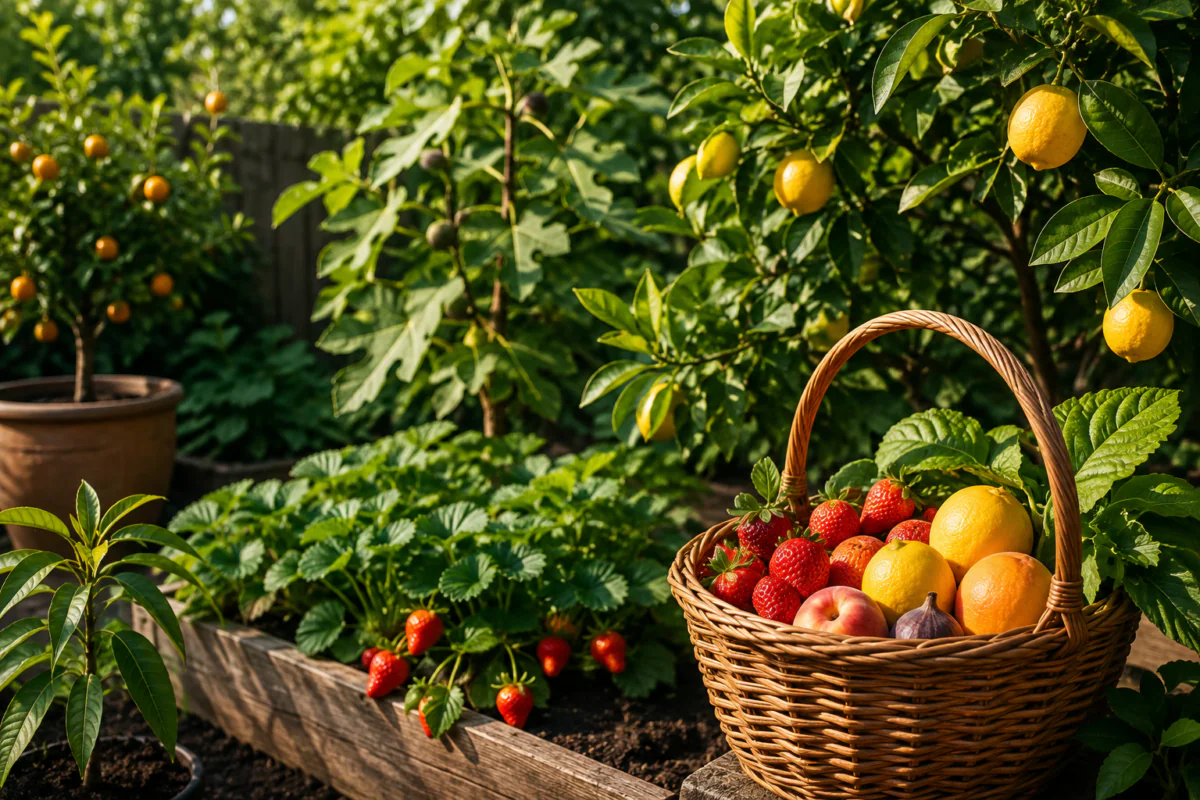
The best fruit plant is not necessarily the one that is easiest to grow in another person’s garden. Your climate, available space, and preferred growing method should all influence the decision.
Consider Your Climate
Start with your local growing conditions. Fruits such as mangoes and bananas have different climate requirements from species that are adapted to cooler growing regions.
Consider Your Garden Space
Think about both the size of the plant today and how large it can become later. Strawberries and dwarf citrus can fit smaller spaces, while figs, peaches, mangoes, and full-sized citrus may require considerably more room.
Choose Between Seeds, Cuttings, and Nursery Plants
Starting from seed can be inexpensive, but it is not always the fastest way to produce fruit. Nursery-grown plants can give you a more predictable starting point, particularly when the variety has been selected for your climate.
Consider Time to First Harvest
Some fruit plants can produce relatively quickly under suitable conditions, while trees may need several years before producing a meaningful crop. Consider how long you are willing to wait when choosing what to plant.
Frequently Asked Questions
What are the best fruit plants to grow at home?
The best choice depends on your climate, available space, and growing method. Smaller gardens are often better matched to strawberries and dwarf citrus, whereas larger fruit trees such as figs, peaches, mangoes, and standard citrus need more growing space.
What fruit plants grow well in pots?
Strawberries, dwarf citrus, figs, and some compact banana varieties can be grown in containers when the pot is large enough and provides good drainage. Choose a variety with a manageable mature size and give the plant plenty of sunlight.
What are the best fruit plants for Florida?
Florida’s warm climate can support many fruit plants. Mangoes are a strong option for warm areas, while suitable citrus and other warm-climate fruits can also perform well when matched to the local conditions. The exact choice depends on where in Florida you live.
What are the best fruit plants for Texas?
Texas has several different climate zones, so there is no single best fruit plant for the entire state. Figs can perform well where conditions suit them, while other fruit trees should be selected according to the climate and winter conditions of the planting area.
Which fruit plants are easiest to grow from seed?
Some fruit plants can be started from seed relatively easily, but growing from seed does not always produce the fastest route to fruit. Strawberries, citrus, and some other fruit plants can be started from seed, while nursery-grown or vegetatively propagated plants are often more predictable for home gardeners.
Which fruit plants produce fruit the fastest?
The time to first harvest varies widely. Strawberries generally reach fruiting much sooner than many trees, while mangoes, peaches, figs, citrus, and similar crops may need several seasons before producing fruit, depending on the variety and planting material. the plant was grown from seed or purchased as an established plant.
Final Thoughts
Choosing a fruit plant for your home garden is less about finding one universal “best” plant and more about finding the right match for your climate, available space, and gardening goals.
Strawberries can be excellent for small spaces, dwarf citrus can work well in containers, and fruit trees such as figs, peaches, mangoes, and oranges can be rewarding when their growing requirements match your local conditions. Before planting, consider the plant’s mature size, sunlight needs, climate tolerance, and expected time to first harvest.
A little planning at the beginning can save years of frustration later. Choose the right plant for the right place, give it suitable growing conditions, and your home garden can provide fresh fruit for many seasons.
Recent Posts
How to Grow Sweet Potatoes: A Complete Guide for Beginners

How to Grow Corn: A Complete Guide for Home Gardeners
How to Grow Chili Peppers: A Complete Guide for Beginners
How to Grow Garlic: A Complete Guide to Planting, Caring for, and Harvesting Garlic
How to Grow Pumpkins: A Complete Beginner’s Guide to Bigger Harvests
Gardening Kits for Beginners
Best Time to Harvest Figs
Organic Fertilizer for Grapes
How to Plant and Grow Grapes
How to Grow and Care Cherries
Fertilizer for Banana Trees
How to Grow and Care Banana Tree
How to Grow Onions from Sprouted Onions