How to Grow Garlic: A Complete Guide to Planting, Caring for, and Harvesting Garlic
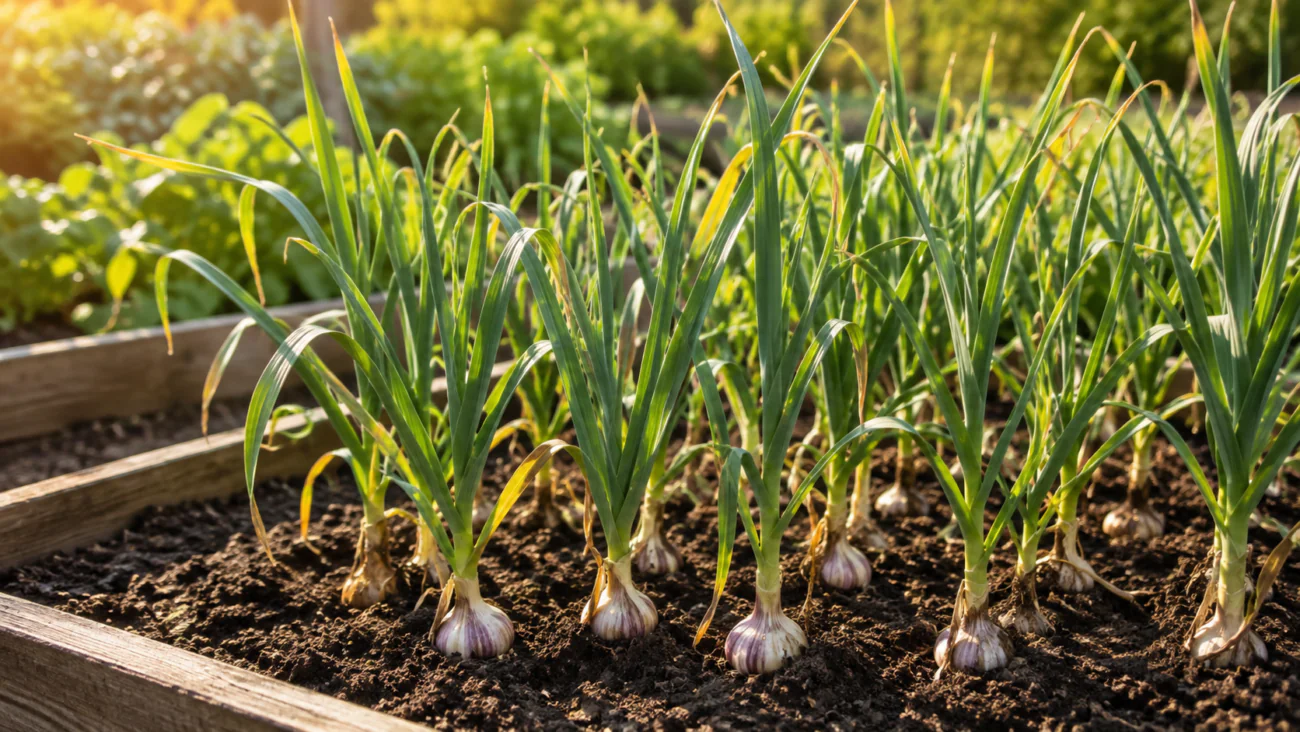
Garlic is a practical crop for home gardeners because it requires relatively little space and provides a useful harvest. It is widely used in cooking, grows well in garden beds and containers, and does not require complicated care once it becomes established. If you choose a variety that suits your climate and give the plants good soil, sunlight, water, and nutrients, growing garlic at home can be a rewarding experience.
Over my years of home gardening, garlic has always been a staple crop alongside my fruits and vegetables. From my experience, garlic is much easier to grow than many beginners expect. Begin with firm, healthy cloves, give them loose soil with good drainage, and let the plants complete their growing cycle before lifting the mature bulbs.
Garlic can also be grown in warmer regions. The original article specifically separates garlic varieties into warm- and cold-climate groups, including softneck, Creole, and elephant garlic for warmer conditions, and Porcelain, Music, Spanish Roja, and Purple Stripe for colder regions.
In this guide, I will walk you through the process step by step, from choosing the right garlic variety and preparing the soil to planting, fertilizing, growing garlic in containers, harvesting garlic scapes, and knowing when the bulbs are ready to harvest.
In This Guide, You'll Learn
- When to plant garlic and how planting time changes by climate
- How to choose the right garlic variety
- How to grow garlic from cloves, sprouted garlic, or store-bought garlic
- How to prepare the best soil for garlic
- Garlic Planting Depth and Spacing
- How to fertilize garlic for healthy bulb development
- How to grow garlic in containers and pots
- How to grow garlic indoors
- How to grow garlic chives
- How to grow garlic scapes
- How long garlic takes to mature
- How to know when garlic is ready for harvest
- How to harvest and store garlic
Table of Contents
ToggleWhen to Plant Garlic
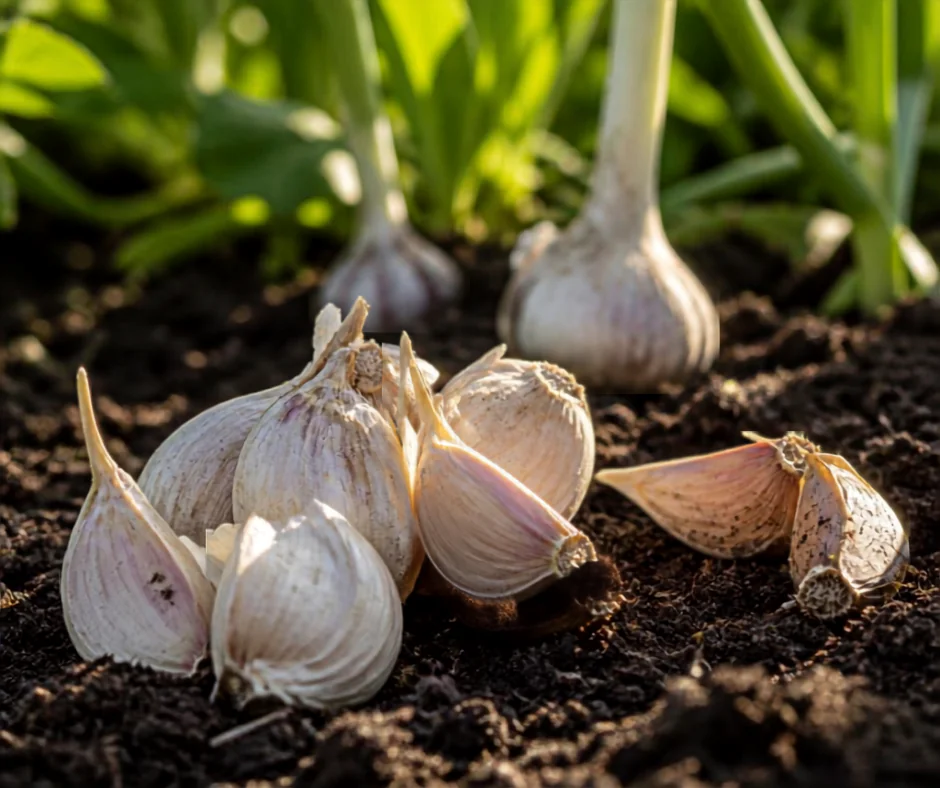
Garlic gets off to a stronger start when you choose a planting date that matches your local growing conditions. Garlic needs enough time to establish a strong root system before it develops mature bulbs, so planting at the wrong time can affect the final harvest.
In my experience, the best planting period depends heavily on the climate. In northern regions, garlic is commonly planted during fall so the cloves can establish roots before winter. In warmer southern regions, planting can happen later in fall because winters are milder.
The original article recommends mid-October to early November for southern conditions and late September to early November for northern regions. It also emphasizes that fall planting allows garlic bulbs to establish roots before winter.
Best Time to Grow Garlic
For many home gardeners, fall is an excellent time to plant garlic. Planting in fall gives the cloves time to establish roots while temperatures are cool. When temperatures return to a suitable range, the plants begin growing actively again.
If you live in a warmer climate, choose a variety that performs well under those conditions rather than simply copying the planting schedule used in colder regions.
Fall vs. Spring Garlic Planting
Fall planting is especially useful in regions with suitable winter conditions. During fall, the cloves have time to develop roots before winter arrives, and growth resumes when temperatures become favorable again.
Spring planting can also be used when fall planting is not practical. However, the available growing period may be shorter, so choosing an appropriate variety and planting as early as local conditions allow can be important.
When to Plant Garlic in Different Climates
Your local climate should guide both the planting date and variety selection.
For colder regions, the original article recommends planting from late September through early November. For warmer southern regions, it suggests mid-October through early November.
The exact timing can vary from one location to another, so pay attention to your local weather and growing conditions rather than following one calendar date everywhere.
Choosing the Right Garlic Variety
Choosing the right garlic variety is an important first step because different types perform better under different growing conditions. Before planting, consider your local climate, the type of garlic you want to harvest, and how you plan to use or store the bulbs.
Garlic comes in a wide range of varieties, with each type having characteristics that make it better suited to particular growing conditions. Some varieties perform better in warmer regions, while others are better suited to colder climates.
If you live in a warmer region, softneck garlic can be a good option. The original article also mentions Creole garlic as a suitable warm-climate choice and notes that elephant garlic can perform well in warmer conditions.
Gardeners in colder regions can consider hardneck varieties such as Porcelain, Music, Spanish Roja, and Purple Stripe. These varieties are highlighted in the original article as suitable options for colder climates.
Hardneck vs. Softneck Garlic
Hardneck and softneck garlic differ in their growth habits and the conditions in which they perform best.
Hardneck garlic is particularly useful if you want to harvest garlic scapes. Hardneck plants produce a central flowering stalk called a scape, which can be harvested and used in cooking before the garlic bulbs mature.
Softneck garlic generally performs well in warmer climates and is also commonly grown for its bulbs. When choosing between the two, consider your local growing conditions as well as whether you want garlic scapes in addition to mature bulbs.
Best Garlic Varieties for Warm Climates
If you live in a warm climate, choosing a variety that can handle warmer growing conditions is important.
Softneck garlic is one option for warmer regions. Creole garlic is another variety mentioned in the original article for warm climates. Elephant garlic can also be considered when you want to grow particularly large bulbs.
For gardeners in very warm areas, matching the variety to the local climate can make the growing process much easier than trying to grow a variety adapted to a completely different environment.
Best Garlic Varieties for Cold Climates
Cold-climate gardeners have several hardneck options to consider. The original article specifically mentions Porcelain, Music, Spanish Roja, and Purple Stripe as suitable varieties for colder regions.
These varieties can establish before winter and continue their growth cycle as temperatures become favorable. Choosing an appropriate variety is therefore just as important as choosing the correct planting time.
How to Grow Elephant Garlic
Elephant garlic is different from regular garlic because it produces very large bulbs and has a milder flavor. Consider this variety if producing exceptionally large garlic bulbs is one of your main goals.
Choose a sunny location with well-drained soil and prepare the planting area before placing the cloves in the ground. Give each plant enough room for the bulb to develop without competition from neighboring plants.
Elephant garlic is a useful choice for warmer climates, and its bulbs can grow considerably larger than those of standard garlic varieties.
How to Plant Garlic
Once you have selected the right variety, the next step is planting. Whether you are using individual cloves, young plants, or another source of planting material, start with healthy garlic.
Good planting material gives your garlic a stronger beginning and can help produce healthier plants throughout the growing season.
Choosing Healthy Garlic Cloves
Choose large, firm cloves that are free from visible damage, mold, or signs of disease. Avoid cloves that feel soft or show obvious damage.
Separate the cloves from the bulb shortly before planting and keep the protective skin around each clove intact. The larger cloves generally provide more stored energy for the young plant as it begins developing roots and shoots.
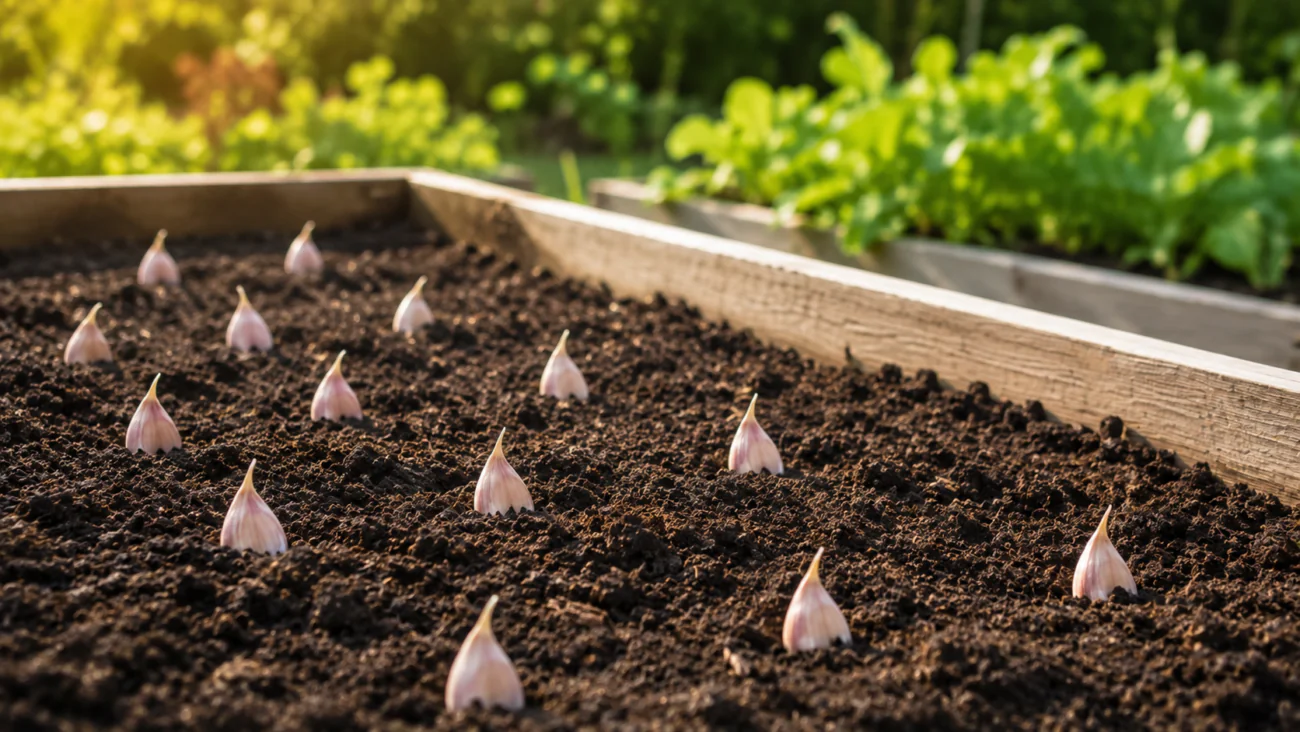
Set each individual clove in the soil with its narrow tip directed toward the surface. This allows the emerging shoot to grow naturally toward the soil surface.
How to Grow Garlic from Seed
Growing garlic from true seed is possible, but it is different from the usual method of growing garlic from individual cloves. Garlic is most commonly planted from cloves because cloves already contain stored energy and can establish more quickly.
If you want to experiment with growing garlic from seed, the process requires more patience than planting cloves. Seed-grown garlic can take longer to develop into mature bulbs, so it is generally not the simplest method for beginners.
For a first garlic crop, planting healthy cloves is usually the more straightforward approach.
How to Grow Garlic from Store-Bought Garlic
You can sometimes grow garlic from store-bought bulbs, but the results can be unpredictable. Store-bought garlic may have been treated to prevent sprouting or may come from a variety that is not well adapted to your local growing conditions.
If you want to try it, select a firm, healthy bulb that has begun showing signs of natural growth and separate the cloves carefully.
For the most reliable harvest, however, planting garlic specifically sold as seed garlic is a better option because you can select varieties according to your climate and growing goals.
How Deep to Plant Garlic
Plant each garlic clove with the pointed end facing upward. The original article recommends planting the cloves about 2–3 inches deep, which provides enough soil coverage while allowing the shoots to emerge naturally.
After placing the cloves, cover them gently with soil and avoid compacting the planting bed too heavily. Loose soil makes it easier for the developing roots to expand.
How Far Apart to Plant Garlic
Proper spacing gives each garlic plant enough room to develop without excessive competition.
For garlic planted in rows, the original article recommends spacing individual cloves about 4–6 inches apart and leaving approximately 12–18 inches between rows.
If you are growing garlic for large bulbs, avoid planting the cloves too close together. Adequate spacing allows the plants to develop healthy foliage and gives the bulbs sufficient room to enlarge.
Best Soil for Garlic
Soil preparation is one of the most important steps before planting garlic. Garlic does not perform well when its roots remain in waterlogged soil, so good drainage is essential.
Start by choosing a location with loose, fertile soil and good drainage. The original article recommends testing the soil before planting and maintaining a pH of approximately 6.0–7.0.
Ideal Soil pH for Garlic
A soil pH between 6.0 and 7.0 provides a suitable growing environment for garlic according to the source material.
Before making major changes to your soil, perform a soil test. This can show whether the soil is too acidic and whether important nutrients are lacking.
If the soil is too acidic, the original article recommends using agricultural lime to gradually raise the pH.
Preparing Soil Before Planting
Begin by clearing the planting area of weeds and grass. Then loosen the soil and work in organic matter such as compost or well-rotted manure.
Organic matter improves the soil structure and helps create a better environment for developing garlic roots. After incorporating the amendments, rake the surface so the bed is relatively level and ready for planting.
When soil testing reveals a nutrient deficiency, apply the recommended fertilizer instead of adding nutrients unnecessarily.
Best Soil for Garlic in Containers
For container-grown garlic, use a light growing mix that drains freely instead of dense garden soil.
A quality potting mix combined with compost can provide a suitable growing environment. The container must also have adequate drainage holes so excess water can escape.
Good drainage is particularly important in containers because water can accumulate around the roots if the growing medium is too dense or the drainage is poor.
Fertilizing Garlic
Garlic needs nutrients throughout its growing cycle, particularly while it is developing healthy foliage and forming bulbs. However, fertilizer should be applied according to the plant’s growth stage and the condition of the soil.
The original article recommends applying compost or well-rotted manure before planting and then using a balanced fertilizer during the early growing period.
Best Fertilizer for Garlic
During the early growth period, a balanced fertilizer can support healthy leaf and root development.
Garlic requires different nutrients as it moves from early leaf production into the bulb-forming stage. The original article recommends using a fertilizer with more phosphorus and potassium when the plants begin forming bulbs.
When to Fertilize Garlic
Start with well-prepared soil before planting. During active growth, monitor the plants and provide additional nutrients when necessary.
Avoid applying fertilizer simply because the calendar says it is time. A soil test and the appearance of the plants can help you determine whether additional feeding is actually needed.
Organic Fertilizer for Garlic
Compost and well-rotted manure are useful organic amendments for preparing the soil before planting. They can improve soil structure while adding organic matter.
If you prefer organic gardening, incorporate mature compost into the planting bed before planting and continue monitoring plant growth throughout the season. If additional nutrients are needed, choose an organic fertilizer appropriate for vegetables and follow its application instructions.
How to Grow Garlic in a Raised Bed
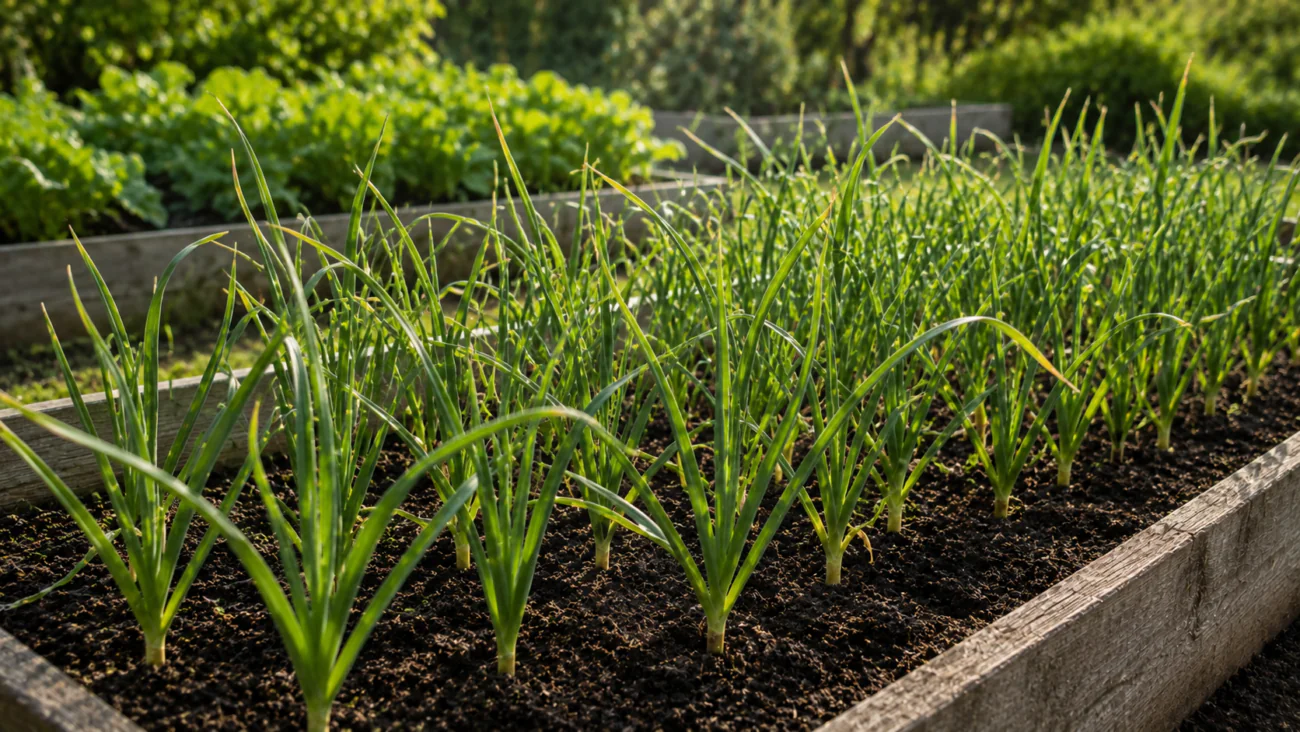
Raised beds are an excellent option for growing garlic, especially if your native soil is heavy, compacted, or drains poorly. They also make it easier to prepare the soil, control weeds, and maintain consistent spacing between garlic plants.
For gardeners who already use raised beds for vegetables, garlic can fit naturally into the same type of garden setup. A well-prepared bed gives garlic cloves loose soil for root development while providing good drainage around the developing bulbs.
Preparing a Raised Bed for Garlic
Start by clearing the raised bed of weeds and old plant debris. Garlic grows best in loose, fertile soil that drains well, so avoid filling the bed with heavy or compacted soil.
Mix mature compost or well-rotted organic matter into the soil before planting. This can improve soil structure and provide organic nutrients for the developing plants.
If possible, test the soil before planting. Garlic generally performs well in soil with a pH around 6.0–7.0. If the test shows that the soil needs adjustment, make those changes before planting.
The raised bed should also receive plenty of direct sunlight. Choose a location where garlic can receive several hours of sunlight each day.
How to Plant Garlic in a Raised Bed
After preparing the planting bed, break apart healthy bulbs and separate them into individual cloves. Keep the protective skin around each clove intact.
Position the cloves so their pointed tips face upward when placing them into the soil. Place the clove about 2–3 inches deep and leave approximately 4–6 inches between individual cloves.
Leave roughly 12–18 inches of room between rows if your raised bed provides enough space. This gives the plants enough room to develop healthy foliage and mature bulbs without excessive competition.
After planting, cover the cloves with loose soil and water the bed gently. Avoid compacting the soil over the cloves.
Watering and Caring for Garlic in Raised Beds
Raised beds often drain more quickly than heavy ground soil, so monitor moisture regularly. Garlic needs consistent moisture during active growth, but the soil should never remain soggy.
Water deeply around the base of the plants when the soil begins to dry. Avoid excessive overhead watering, particularly when the foliage remains wet for long periods.
Keep the bed free of weeds because garlic has relatively shallow roots and can compete poorly with aggressive weeds.
A layer of suitable mulch can also help conserve moisture and reduce weed growth. As the bulbs approach maturity, gradually reduce watering and allow the soil to become drier before harvest.
Benefits of Growing Garlic in Raised Beds
Growing garlic in a raised bed offers several practical advantages:
Better drainage: Excess water can drain away more easily from a properly prepared bed.
Looser soil: Garlic roots can develop more easily in soil that is not compacted.
Easier soil preparation: You can create a growing medium specifically suited to garlic.
Better weed control: Raised beds are easier to maintain and keep organized.
Simpler spacing: Straight rows make it easier to maintain consistent planting distances.
Easier maintenance: Planting, watering, weeding, and harvesting can be more convenient.
For gardeners who already use raised beds for vegetables, garlic is a natural crop to include in the rotation. A raised bed with fertile soil, sufficient sunlight, appropriate spacing, and regular maintenance can create favorable conditions for developing garlic bulbs.
How to Grow Garlic in Containers
Garlic can grow successfully in containers when the plants have enough space, sunlight, and well-drained growing medium. Growing garlic in containers works particularly well for gardeners with limited space, including those using patios, balconies, or other compact growing areas.
Choose a container that is deep enough for the garlic roots and has several drainage holes at the bottom. Fill it with a loose, fertile potting mix that drains well while retaining enough moisture for healthy growth.
Choosing the Right Container
Select a container that provides enough depth for the developing roots and bulbs. Wider containers are useful when you want to grow several garlic plants together.
Make sure the container has adequate drainage holes. Poor drainage can leave the growing medium excessively wet and create an unfavorable environment for garlic roots.
Place the container somewhere that receives plenty of sunlight. Garlic needs good light for healthy leaf growth and bulb development.
How to Grow Garlic in a Pot
Fill the pot with quality potting mix and leave enough space at the top for watering. Separate healthy garlic cloves and plant them with the pointed end facing upward.
Cover the cloves with soil and water gently after planting. Keep the growing medium evenly moist during active growth, but avoid keeping it constantly soggy.
As the plants develop, remove weeds and monitor the foliage for signs of stress. Container-grown garlic may also need additional feeding because nutrients in a limited amount of growing medium can become depleted over time.
Garlic Spacing and Planting Depth in Containers
Garlic cloves should be planted deep enough to provide adequate soil coverage while leaving enough room for the bulb to develop.
When growing several plants in the same container, avoid overcrowding. Give each clove enough space so that the developing bulbs are not competing heavily for nutrients, water, and room to expand.
For large bulbs, wider containers with generous spacing are generally preferable to planting many cloves in a small pot.
How to Grow Garlic Indoors
Growing garlic indoors is possible, although producing large mature bulbs indoors can be more challenging than growing garlic outdoors.
Indoor garlic is particularly useful when your main goal is harvesting fresh green leaves rather than producing large storage bulbs.
Choosing the Right Location
Place garlic containers in the brightest location available. A sunny window can provide useful natural light, while a suitable grow light can supplement light when natural sunlight is limited.
Keep the containers away from areas where the temperature changes dramatically. Consistent growing conditions can help the plants maintain healthy foliage.
Growing Garlic for Green Leaves Indoors
Plant individual cloves in a container filled with quality potting mix, keeping the pointed ends facing upward. Water when the surface begins to dry rather than following a rigid watering schedule.
Once the green shoots develop, you can harvest the leaves as needed. Avoid removing too much foliage at once because the remaining leaves help the plant continue growing.
Indoor garlic grown primarily for greens can provide a convenient supply of fresh garlic-flavored leaves even when outdoor growing conditions are unsuitable.
How to Grow Garlic Chives
Garlic chives are a useful addition to a home garden because they produce narrow green leaves with a mild garlic flavor. They can be grown in garden beds or containers and harvested repeatedly.
Choose a sunny location and plant them in fertile, well-drained soil. Keep the plants watered during active growth, especially when conditions are dry.
Planting Garlic Chives
Prepare loose soil or use a quality potting mix when growing garlic chives in containers. Plant the young plants or seeds according to the requirements of the planting material you are using.
Give established plants enough room to spread and avoid placing them in constantly waterlogged soil.
Caring for Garlic Chives
Keep the soil reasonably moist while the plants are actively growing. Remove competing weeds and trim damaged or old foliage when necessary.
Regular harvesting can encourage the plants to produce fresh leaves. If the plants become crowded over time, dividing established clumps can help maintain healthy growth.
When and How to Harvest Garlic Chives
Harvest garlic chive leaves once they have developed enough growth for use. Cut the leaves near the base with clean scissors or a sharp knife, leaving enough foliage for the plant to continue growing.
Regular harvesting can provide a steady supply of fresh leaves throughout the growing season.
How to Grow Garlic Scapes
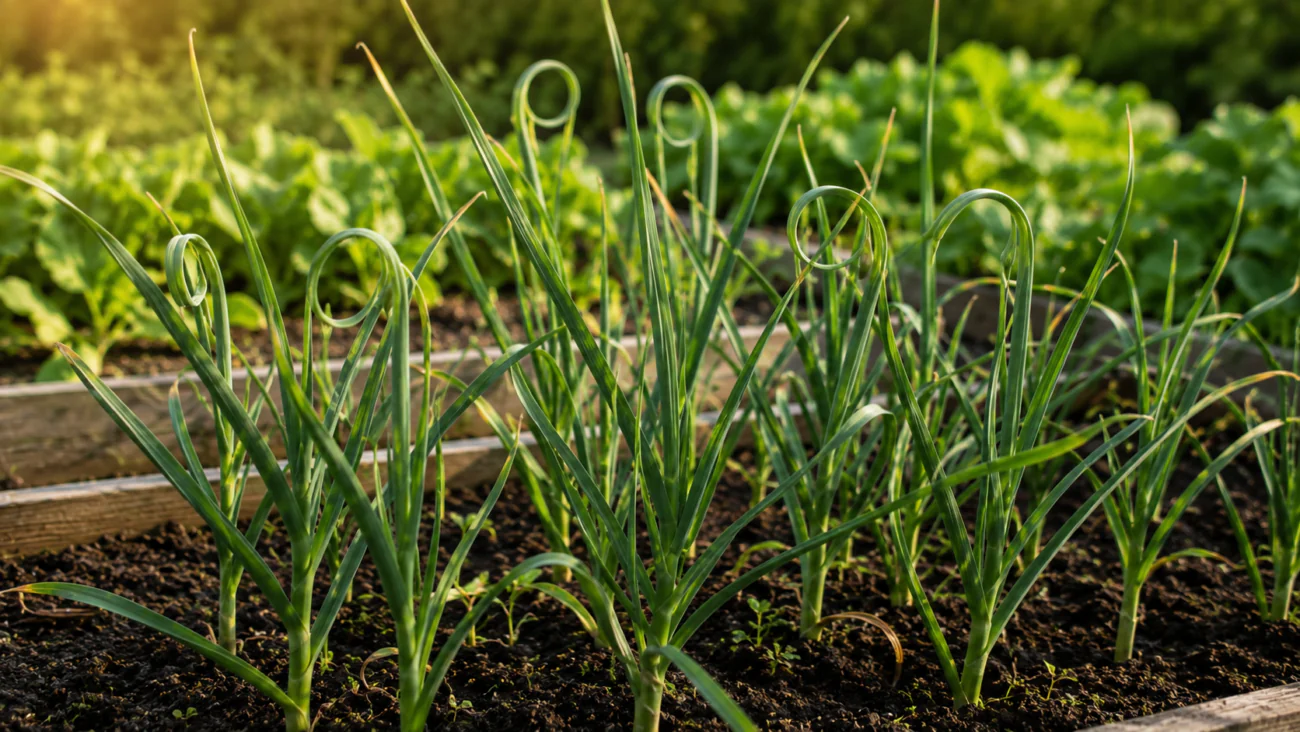
Garlic scapes are the curled flowering stalks produced by many hardneck garlic varieties. They appear above the leaves as the plants approach bulb maturity.
Harvesting scapes at the right time gives you an additional edible crop while allowing the garlic plant to continue developing its bulb.
Which Garlic Produces Scapes?
Hardneck garlic varieties are known for producing scapes. If harvesting garlic scapes is one of your goals, choose a hardneck variety rather than assuming every garlic plant will produce them.
The scapes usually emerge from the center of the plant and begin curling as they develop.
When to Harvest Garlic Scapes
Harvest the scapes when they are young and tender, generally while they are still curled and before they become tough.
Watch the central stalk as it emerges above the leaves. Once it forms a noticeable curl, it is usually a good time to harvest.
How to Harvest Garlic Scapes
Use clean scissors or a sharp knife to cut the scape close to the base of the stalk without damaging the surrounding leaves.
Harvesting the scape at the appropriate stage provides tender garlic-flavored shoots that can be used fresh in cooking. The bulbs can then continue developing toward maturity.
Garlic Plant Care
Once garlic is planted, consistent care helps the plants develop strong foliage and healthy bulbs. Garlic does not require complicated maintenance, but it benefits from appropriate watering, sunlight, weed control, and regular observation throughout the growing season.
How Much Water Does Garlic Need?
Garlic needs consistent moisture during active growth, particularly while the plants are developing leaves and forming bulbs. However, the soil should not remain saturated.
Instead of watering according to a fixed schedule, check the soil regularly. If the surface begins to dry, water deeply around the base of the plants.
As the bulbs approach maturity, gradually reduce watering. Drier conditions near harvest help the bulbs mature and prepare for curing.
Sunlight Requirements
Garlic grows best when it receives plenty of sunlight. Choose a location that receives several hours of direct sunlight each day.
Adequate sunlight supports strong leaf growth, which is important because the leaves contribute energy to the developing bulb.
If garlic is grown in containers, place the containers in the brightest suitable location available.
Weed and Pest Management
Garlic has relatively shallow roots, so weeds can compete with the plants for water, nutrients, and growing space.
Remove weeds carefully before they become established. A layer of suitable mulch can also help suppress weeds and maintain more consistent soil moisture.
Inspect the plants regularly for unusual spots, damaged leaves, or signs of insect activity. Removing damaged or diseased foliage promptly can reduce the chance of the problem spreading to nearby plants.
How Long Does It Take to Grow Garlic?
If you’re wondering how long it takes to grow garlic, remember that it is a long-season crop. Garlic can mature at different rates depending on its variety, planting date, climate, and overall growing environment.
Garlic planted in fall may remain in the ground through winter before resuming active growth in spring.
Garlic Growth Timeline
After planting, garlic first develops roots and green shoots. During the early growth stage, the plant focuses on producing healthy foliage.
As the season progresses, the plant gradually shifts more of its energy toward bulb development. The leaves continue supplying energy to the developing bulb until the plant approaches maturity.
Because different varieties and climates have different growth cycles, avoid relying on a single number of days to determine when your garlic is ready. Instead, use the plant’s appearance and maturity signs as your primary guide.
Factors That Affect Garlic Growth
Several factors can influence how quickly garlic develops, including:
- Garlic variety
- Planting time
- Local climate
- Soil quality and drainage
- Sunlight
- Water availability
- Nutrient levels
- Weed competition
Healthy garlic planted at the appropriate time and grown in suitable conditions is more likely to develop properly than plants grown under stressful conditions.
How to Know When Garlic Is Ready for Harvest
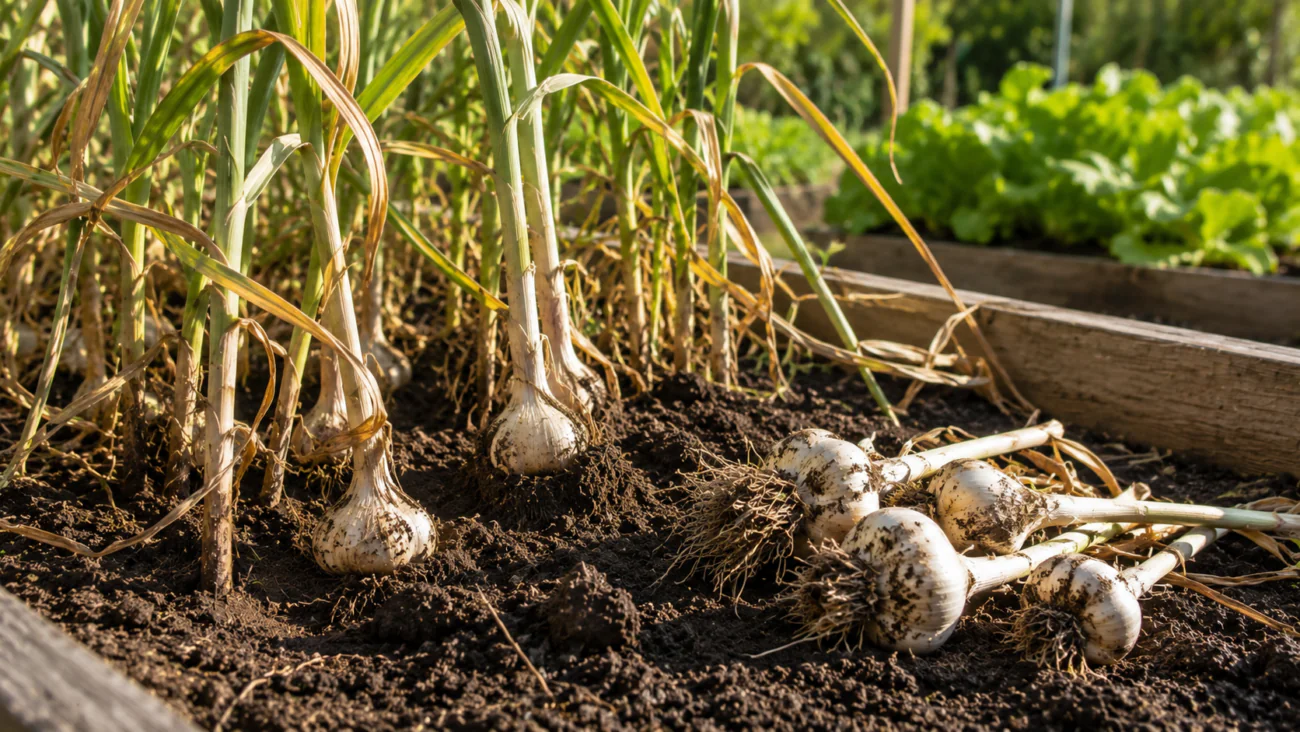
Knowing when to harvest garlic is just as important as knowing how to plant it. Harvest too early and the bulbs may be smaller and less developed. Wait too long and the protective layers around the bulb can begin breaking down.
Signs Garlic Is Ready to Harvest
Knowing when to harvest garlic is just as important as knowing how to plant it. Harvest too early and the bulbs may be smaller and less developed. Wait too long and the protective layers around the bulb can begin breaking down.
Garlic Harvest Time
Harvest time varies according to the variety and when the garlic was planted. Garlic planted in autumn is usually ready to lift once the plants have finished their main period of development.
Inspect a couple of test bulbs underground before pulling up your entire garlic crop. If the cloves have filled the bulb and the outer wrapper remains intact, the crop is generally ready for lifting.
How to Harvest Garlic
Choose a dry day for harvesting whenever possible. Avoid pulling the plants aggressively by the leaves because this can damage the stems or bulbs.
Instead, loosen the soil around the bulb carefully and lift the garlic from the ground. Handle the bulbs gently because bruising or cuts can reduce their storage quality.
After lifting the bulbs, brush away excess soil without removing the protective outer layers.
How to Cure and Store Garlic
Freshly harvested garlic should be cured before long-term storage. Proper curing allows the outer layers and neck to dry and helps protect the bulb during storage.
Preparing Garlic for Storage
After harvesting, place the garlic in a dry, well-ventilated location away from direct sunlight. Allow the bulbs to dry naturally while keeping enough airflow around them.
Do not wash the bulbs immediately before curing because excess moisture can slow drying and increase the risk of storage problems.
Once the outer layers and neck have dried thoroughly, trim the roots and prepare the bulbs for storage.
Best Conditions for Storing Garlic
Store fully cured garlic in a cool, dry, well-ventilated location. Avoid sealed plastic bags or other conditions that trap moisture around the bulbs.
Check stored garlic periodically and remove any bulbs that show signs of rot or deterioration so problems do not spread to healthy bulbs.
Frequently Asked Questions
How long does it take to grow garlic?
Garlic is a long-season crop, and the time to maturity varies depending on the variety, planting date, climate, and growing conditions. Fall-planted garlic usually develops through winter and spring before reaching maturity.
When is the best time to plant garlic?
Fall is a common planting period because the cloves can establish roots before winter. The ideal planting window depends on your local climate and the garlic variety.
Can you grow garlic from store-bought garlic?
You can sometimes grow garlic from store-bought bulbs if the cloves are healthy and capable of sprouting. However, planting garlic sold specifically for growing is generally a more reliable option.
How deep and far apart should garlic be planted?
Plant garlic cloves about 2–3 inches deep, with the pointed end facing upward. Space individual cloves approximately 4–6 inches apart and leave enough room between rows for healthy growth and maintenance.
Can you grow garlic in containers?
Yes. Garlic can grow successfully in containers when provided with a well-draining growing medium, sufficient sunlight, adequate container depth, and enough space between plants.
How do you know when garlic is ready to harvest?
Garlic is usually approaching harvest when several lower leaves turn yellow or brown while some upper leaves remain green. Checking a few bulbs before harvesting the entire crop can help confirm that they have reached maturity.
Final Thoughts
Growing garlic at home becomes much easier when you focus on the fundamentals: choose a variety suited to your climate, plant healthy cloves at the right time, provide loose and well-drained soil, maintain consistent moisture, and give the plants enough sunlight.
With proper care, garlic can provide both mature bulbs and additional harvests such as garlic scapes and garlic chives. Once the lower leaves begin drying and the bulbs reach maturity, harvest them carefully and cure them properly for better storage.
With patience and the right growing conditions, even a beginner can grow a productive crop of garlic at home.
Recent Posts
How to Grow Sweet Potatoes: A Complete Guide for Beginners

How to Grow Corn: A Complete Guide for Home Gardeners
How to Grow Chili Peppers: A Complete Guide for Beginners
How to Grow Garlic: A Complete Guide to Planting, Caring for, and Harvesting Garlic
How to Grow Pumpkins: A Complete Beginner’s Guide to Bigger Harvests
Gardening Kits for Beginners
Best Time to Harvest Figs
Organic Fertilizer for Grapes
How to Plant and Grow Grapes
How to Grow and Care Cherries
Fertilizer for Banana Trees
How to Grow and Care Banana Tree
How to Grow Onions from Sprouted Onions