How to Grow Sweet Potatoes: A Complete Guide for Beginners
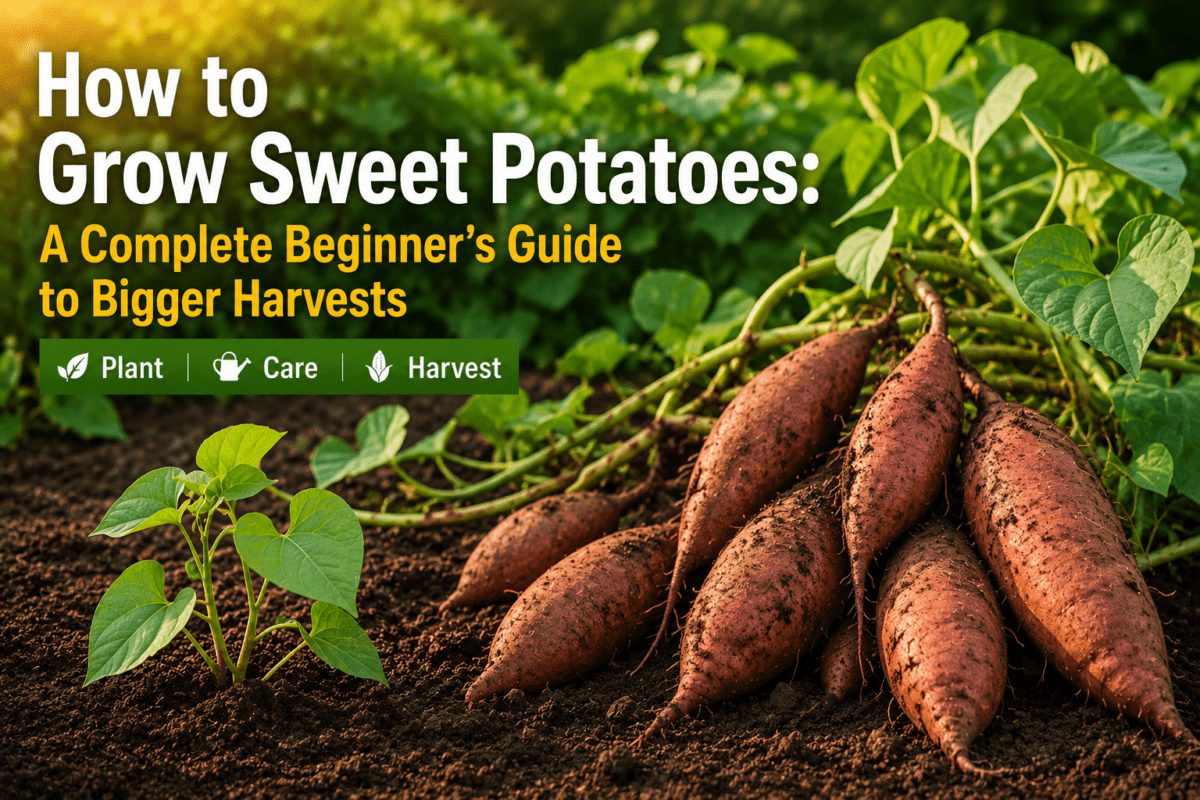
Sweet potatoes are one of those garden crops that can surprise you with how productive they can be. What looks like a simple vine above the soil can spend the growing season developing a collection of sweet, edible roots underneath.
Sweet potatoes can fit into many home-gardening setups, including garden beds, large pots, fabric grow bags, and other compact growing spaces. With warm soil, enough sunlight, consistent moisture, and healthy planting material, you can grow a rewarding crop at home.
Table of Contents
ToggleUnderstanding Sweet Potatoes
What Are Sweet Potatoes?
Despite sharing the word “potato,” sweet potatoes belong to a different plant group from common potatoes. They develop from the roots of a trailing vine plant, which means the growing process is quite different from planting ordinary seed potatoes.
One of the easiest ways for a home gardener to get started is by producing young plants called sweet potato slips. These slips can be rooted and then transplanted into the garden or a suitable container.
A healthy sweet potato plant can produce several storage roots beneath the soil while its vines spread across the growing area. This makes proper space planning especially important when deciding where to plant.
Sweet Potato Plants and Vines
The above-ground portion of the plant consists mainly of long vines with green, heart-shaped leaves. Depending on the variety and growing conditions, these vines can spread across the ground or be guided upward to make better use of limited space.
Sweet potatoes prefer warm conditions and do not perform well in cold soil. Once established, however, the plants are generally forgiving and can continue growing steadily when they receive appropriate care.
Their vines can also be attractive enough to use as part of a productive ornamental garden, particularly when grown in containers or trained vertically.
How Long Do Sweet Potatoes Take to Grow?
Sweet potatoes perform best when they have a long period of consistently warm weather. From planting healthy slips to harvesting mature roots, the crop often requires around 90–120 days, although the exact growing period can vary with the variety and growing conditions.
Sweet Potato Growing Season
Good planting timing plays a major role in establishing a healthy sweet potato crop. Sweet potatoes need warm soil and plenty of frost-free growing days to produce well.
In the source material, the recommended soil temperature for planting is at least 60°F. In the example growing conditions described there, this meant planting around late May or early June.
In warmer regions, the growing season may be longer and multiple planting opportunities may be possible. In cooler areas, gardeners need to make better use of the available warm period.
Factors That Affect Growth Time
Several conditions can influence how quickly sweet potatoes mature:
- Variety: Different types can have different maturity periods.
- Soil temperature: Cold soil can delay establishment.
- Planting date: Slips need enough warm weather to complete development.
- Moisture: Consistent moisture supports steady root development.
- Sunlight: Sweet potatoes need plenty of light during active growth.
- Climate: Long, warm growing seasons generally provide the most favorable conditions.
Planning around these factors makes it easier to estimate harvest time and avoid planting too late in the season.
How to Grow Sweet Potato Slips
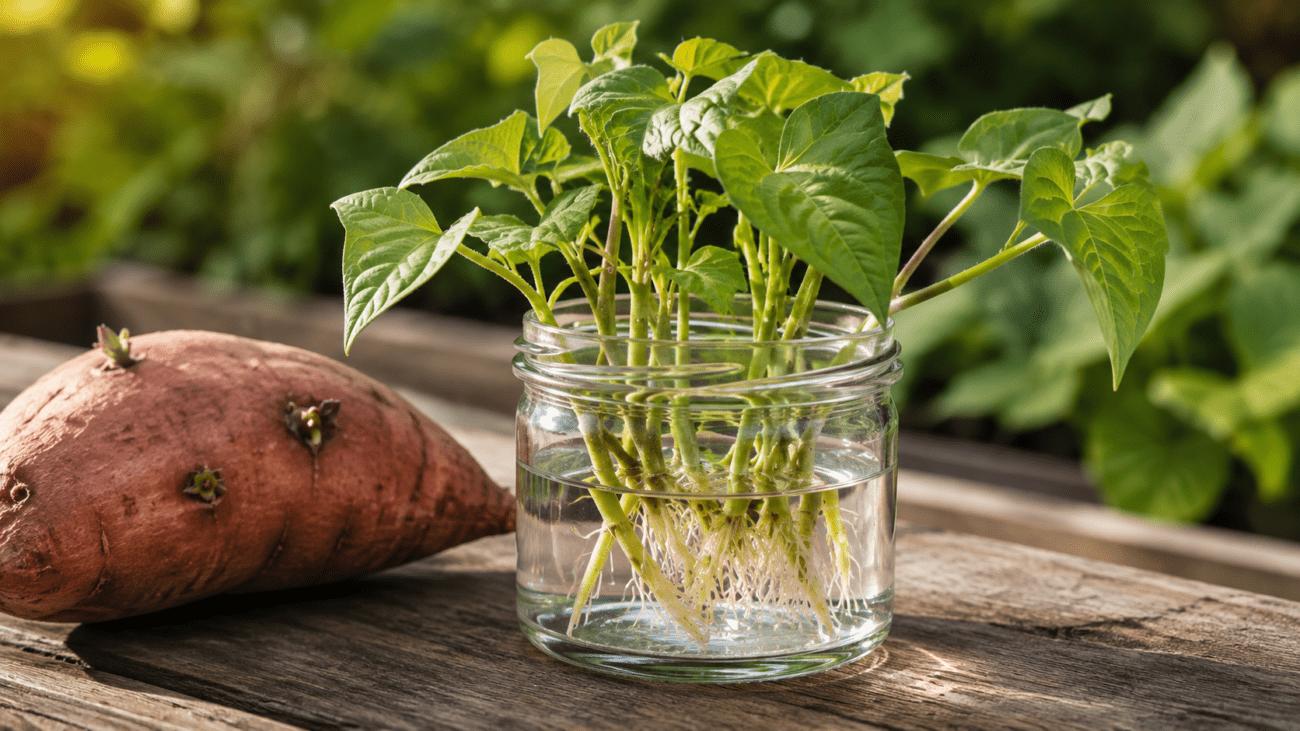
Sweet potato slips are young shoots that develop from a mature sweet potato. Producing your own slips is an inexpensive way to create new plants from a sweet potato you already have at home.
How to Sprout a Sweet Potato
Start with a healthy sweet potato and place it in a shallow container with about an inch of water. Position the potato so part of it remains above the water.
With warmth and suitable light, shoots can begin emerging from the upper portion while roots develop below. Once the shoots become long enough, they can be removed and prepared for planting.
How to Grow Sweet Potato Slips
When the shoots reach roughly 6 inches in length, gently separate them from the sweet potato. Place the slips in water so they can develop their own roots before being transplanted.
Wait until the slips have a healthy root system and outdoor soil has reached a suitable temperature. Strong, well-rooted slips generally have a better chance of establishing quickly after planting.
How to Cut Sweet Potato Slips for Planting
Remove mature slips carefully rather than tearing them away from the parent sweet potato. Keep the young plants intact and give them time to produce roots before moving them into the garden.
Once the slips have healthy roots, they can be transplanted into prepared soil, raised beds, containers, or grow bags depending on your available space.
How to Plant Sweet Potato Slips
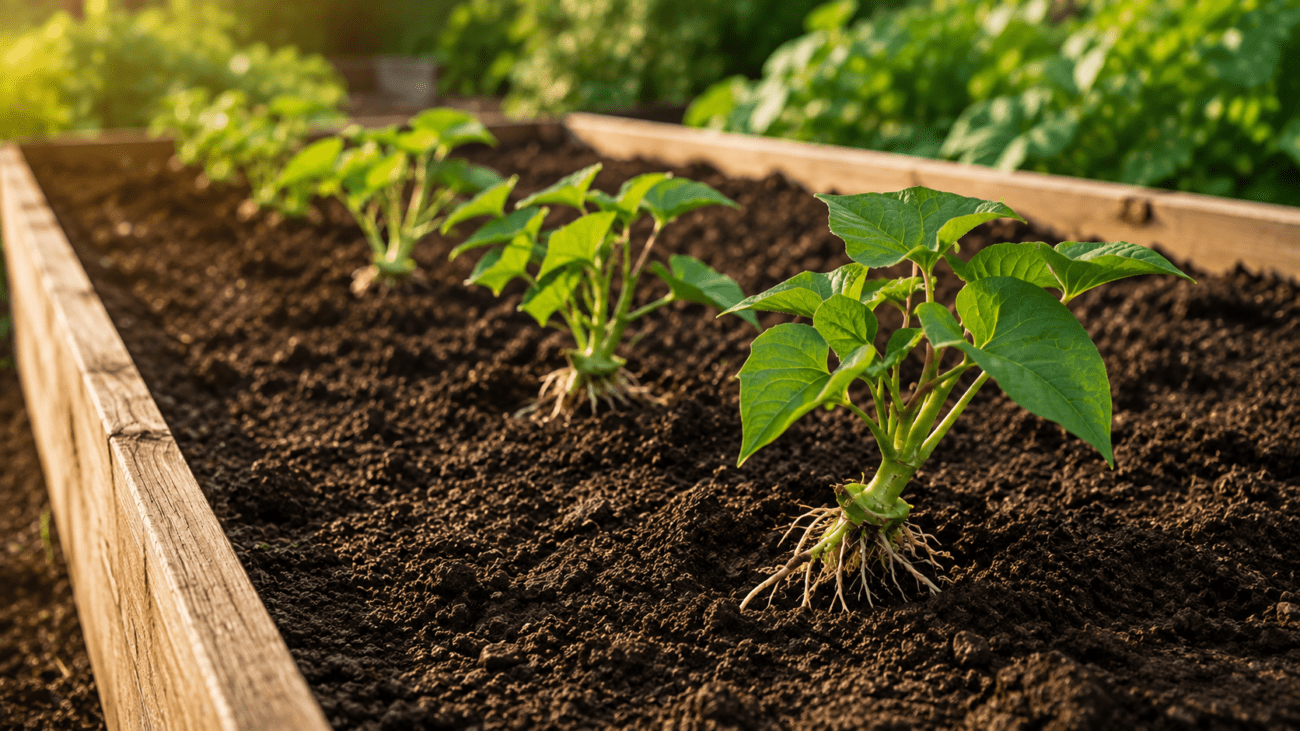
Plant each rooted slip deeply enough to cover the roots and much of the lower stem while keeping the upper leaves above the soil surface.
After planting, water the area thoroughly to settle the soil around the roots. Keep the soil consistently moist while the young plants establish themselves, especially during the first stage of growth.
Preparing Soil for Sweet Potatoes
Sweet potatoes grow best when the soil is loose enough for the developing roots to expand without resistance. Good drainage is also important because overly wet soil can create problems for the roots and reduce the quality of the harvest.
Before planting, prepare the growing area by loosening the soil and removing large stones, weeds, and compacted material. Adding suitable organic matter can improve the structure of the planting area and create a better environment for developing sweet potatoes.
Preparing Soil for Sweet Potatoes
Choose a sunny planting location with loose, well-drained soil. Sweet potatoes need enough space underground for their storage roots to develop, so avoid heavily compacted soil.
When preparing the bed, work in mature compost or another suitable organic amendment if the soil needs improvement. The goal is to create soil that is easy for the young roots to penetrate while still holding enough moisture for steady growth.
Soil Temperature for Sweet Potatoes
Warm soil is especially important when planting sweet potato slips. The source material recommends waiting until the soil reaches at least 60°F before planting.
Planting into cold soil can slow establishment and give the slips a difficult start. Waiting until the soil has warmed consistently allows the young plants to begin developing roots more quickly.
Best Fertilizer for Sweet Potatoes
Sweet potatoes do not need excessively rich soil to produce a good crop. Too much nitrogen can encourage vigorous vine growth without providing the same benefit to the developing storage roots.
The source material recommends a fertilizer around 5-10-10, with relatively lower nitrogen and more phosphorus and potassium. It describes applying fertilizer at planting and again roughly six weeks later.
Use fertilizer according to the needs of your soil and the product’s instructions rather than applying excessive amounts.
How to Plant Sweet Potatoes
Once the soil is warm and the slips have developed healthy roots, they can be moved into their permanent growing location. Sweet potato slips need enough room for both their vines and underground storage roots.
How Deep to Plant Sweet Potatoes
Plant each slip deep enough to cover the roots and much of the lower stem while keeping the upper leaves above the soil.
A deeper planting helps secure the young plant in the soil while giving its roots access to the moisture they need during establishment. Water thoroughly after transplanting to help settle the soil around the roots.
Sweet Potato Plant Spacing
Proper spacing gives the vines room to spread and allows the developing storage roots to expand without excessive competition.
The source material recommends planting slips approximately 12–18 inches apart, with about 3–4 feet between rows.
This spacing is especially useful when growing sweet potatoes in a traditional garden bed.
How Far Apart to Plant Sweet Potatoes
For most home gardens, leaving 12–18 inches between slips provides a practical balance between plant density and growing space.
If your goal is to make the most of a small growing area, you can adjust the layout according to the variety and available space, but avoid overcrowding the plants.
When to Plant Sweet Potatoes
Sweet potatoes need a long, warm growing season, so planting too early can expose young slips to cold conditions. Move the slips outdoors only after frost is no longer a concern and the ground has reached a suitable temperature.
Best Time to Plant Sweet Potato Slips
The best planting time depends on your location, but the soil should consistently reach around 60°F before transplanting. In the source gardener’s example, late May or early June provided suitable conditions.
Transplanting into warm soil helps newly planted slips settle in and develop their roots more quickly.
When to Plant Sweet Potatoes by Region
Gardeners in warmer regions may be able to plant earlier, while those in cooler areas usually need to wait longer in spring.
The key is to base planting on local frost conditions and soil temperature rather than following one fixed calendar date for every location.
Planting Sweet Potatoes in Florida
Florida’s long warm growing season can provide favorable conditions for sweet potatoes. Gardeners in frost-free parts of the state may have more flexibility when choosing planting dates than gardeners in colder regions.
The source material also notes that sweet potato slips can become available at Florida nurseries earlier in the year because of the state’s longer growing season.
How to Grow Sweet Potatoes in Texas
Texas gardeners also need to pay close attention to timing and summer heat. Plant after the soil has warmed and young slips have a chance to establish before the most intense heat arrives.
During very hot periods, consistent watering becomes especially important. In particularly harsh conditions, some gardeners may also benefit from providing temporary afternoon protection for young plants.
How to Grow Sweet Potatoes in Containers
Sweet potatoes can grow well in containers when you provide enough room for the roots and vines. This method is especially useful for gardeners with limited outdoor space, patios, balconies, or small growing areas.
How to Grow Sweet Potatoes in a Pot
Choose a large pot with good drainage and enough depth for the developing roots. A container of around 20 gallons per plant gives the sweet potato roots more room to develop and can help avoid the smaller harvests that may result from cramped growing conditions.
Fill the pot with loose, well-draining soil and position the slip so that its roots are covered while the upper leaves remain above the surface. Water thoroughly after planting and keep the soil consistently moist as the plant becomes established.
Choosing the Right Container
A large container is preferable because sweet potatoes need room beneath the soil to form storage roots. Make sure there are several drainage holes at the bottom so excess water can escape.
Fabric grow bags are another useful option. Their breathable sides can provide good drainage, and they are easy to empty when harvest time arrives.
Growing Sweet Potatoes in Grow Bags
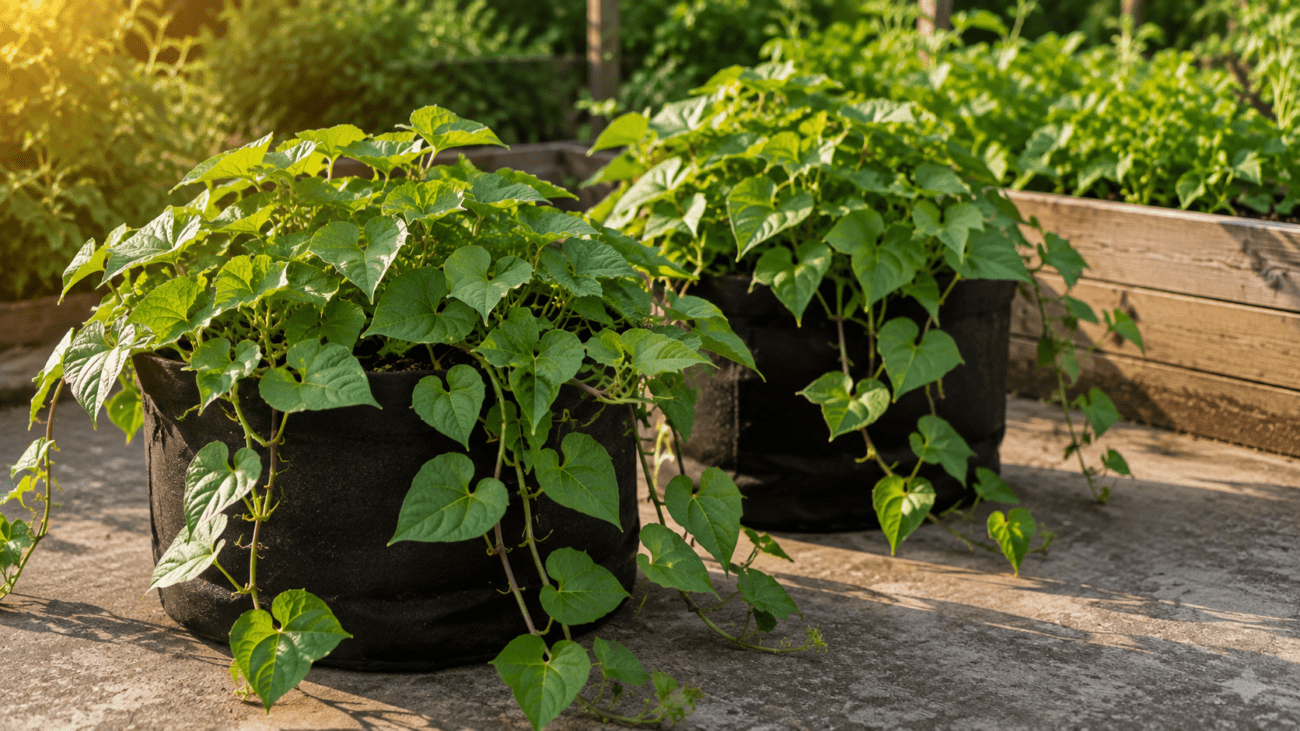
Grow bags can be a practical alternative to traditional pots. Use a large bag filled with loose, fertile growing medium and provide enough space for the vines to spread.
Place the grow bag where it receives plenty of sunlight and monitor moisture regularly. Because containers and grow bags can dry out faster than garden soil, check the growing medium during hot or dry weather.
How to Grow Sweet Potatoes Indoors
Sweet potatoes can also be grown indoors, although producing a large root harvest inside the home is more challenging than growing them outdoors.
How to Grow a Sweet Potato Vine in a Jar
One simple way to start is by placing a sprouting sweet potato in a shallow container of water. Position part of the potato above the water while allowing the lower portion to remain in contact with moisture.
With suitable warmth and light, shoots can begin forming from the upper portion while roots develop underneath. These shoots can later be separated and used as sweet potato slips.
How to Grow a Sweet Potato Plant Indoors
Growing sweet potatoes indoors requires warmth and strong light. A bright south-facing window can work well, while a suitable grow light can help when natural sunlight is limited.
Use a container with good drainage and a loose growing medium. Keep the soil moderately moist without allowing it to remain waterlogged.
Growing Sweet Potatoes in Water
Growing a sweet potato in water is mainly useful for producing slips rather than growing mature storage roots entirely in water.
Keep part of the potato supported above the water and allow shoots and roots to develop. Once the shoots have grown sufficiently, separate the slips and root them before transferring them to soil.
How to Grow Sweet Potatoes in Small Spaces
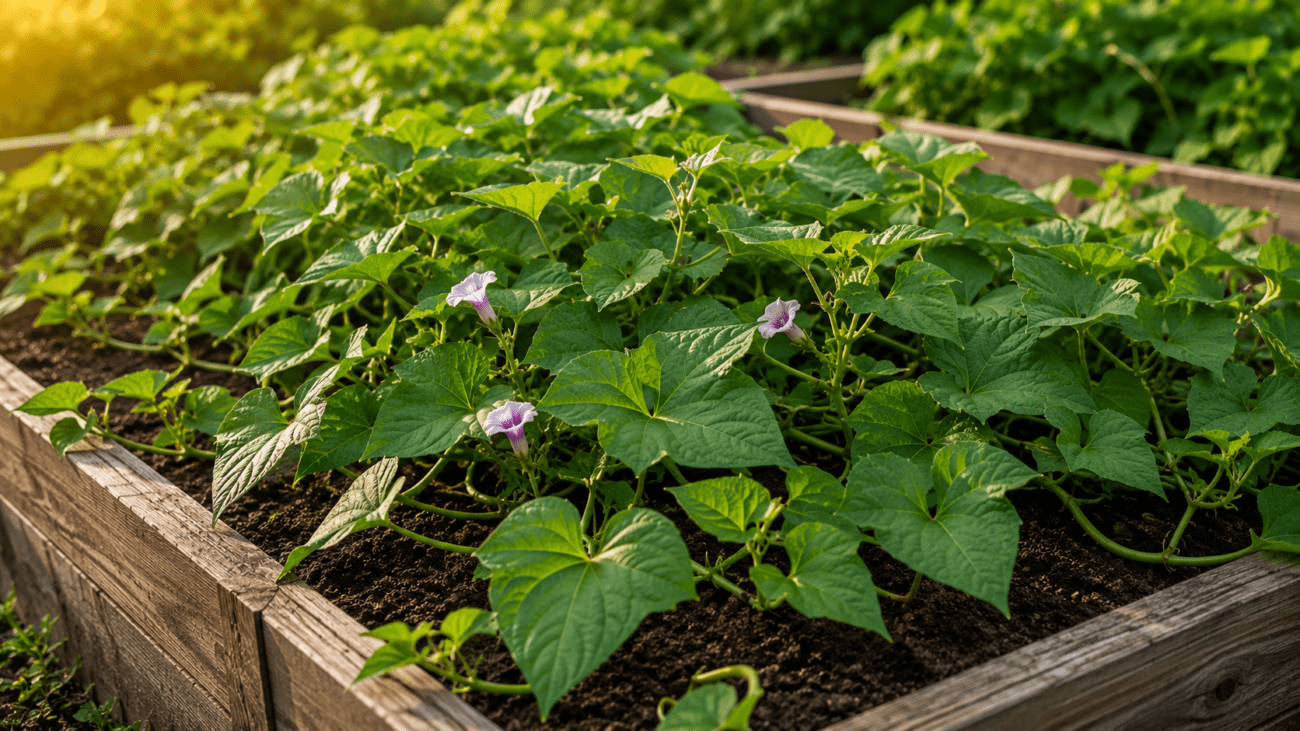
Sweet potato vines can spread considerably, but the plants do not always need to occupy a large amount of ground space if you plan the growing area carefully.
Growing Sweet Potatoes Vertically
Training sweet potato vines upward can help manage sprawling growth in a limited space. Choose a secure support and gradually train the young vines along it as they grow.
Keep in mind that the support is primarily for managing the vines. The edible storage roots still develop below the soil, so they need adequate room in the container or planting bed.
Using a Trellis for Sweet Potatoes
A trellis can help organize long vines and keep them from spreading across nearby plants or walkways. Choose a support that can handle vigorous vine growth and position it securely before the plant becomes too large.
Regularly guide new growth onto the support without forcing or sharply bending the vines. This approach can make a productive sweet potato plant easier to manage in a compact garden.
Growing Different Sweet Potato Varieties
Sweet potatoes come in different colors, sizes, and growing characteristics. Choosing a suitable variety can help you match the crop to your climate, available space, and preferred harvest.
How to Grow Purple Sweet Potatoes
Purple sweet potatoes can be grown using the same basic method as other sweet potato varieties. Start with healthy slips and plant them once the soil has warmed sufficiently.
Purple-fleshed varieties can take somewhat longer to mature, so give them enough time to complete their growing cycle before harvesting. Keep the soil consistently moist and provide plenty of sunlight throughout the season.
Growing Purple Sweet Potatoes
Prepare loose, well-drained soil and plant rooted slips at the proper depth and spacing. Allow enough room for the vines to spread while ensuring the developing roots have adequate space underground.
Regular moisture and appropriate nutrition will help the plants maintain healthy growth. Avoid excessive nitrogen, which can encourage abundant vine growth without necessarily improving the development of storage roots.
Vardaman Sweet Potato Plants
Vardaman is a compact sweet potato variety that can be useful when growing space is limited. Its shorter vines can make it easier to manage in smaller gardens and containers.
As with other varieties, provide warm soil, good drainage, sufficient sunlight, and enough time for the roots to mature before harvesting.
Sweet Potato Plant Care
Once the slips are established, sweet potatoes are relatively straightforward to maintain. The main priorities are consistent moisture, healthy soil, sunlight, and keeping the plants free from excessive competition.
Watering Sweet Potatoes
Sweet potatoes prefer consistent moisture, particularly while young plants are establishing and the storage roots are developing. Water deeply when the soil begins to dry rather than giving frequent, shallow applications.
Avoid waterlogged conditions. Excess moisture can create an unfavorable environment for the roots, while prolonged dryness can interfere with steady root development.
During extended hot or dry periods, check the soil more frequently and adjust your watering as needed.
Managing Sweet Potato Vines
Sweet potato vines can spread quickly during warm weather. In a traditional garden bed, allow them enough room to expand without covering nearby crops.
When growing in containers or small spaces, guide the vines along a designated area or train them onto a suitable support. Avoid repeatedly damaging or cutting healthy vines unless necessary for managing the growing space.
Sweet Potato Flowering
Sweet potato plants can occasionally produce small flowers that may be white, pink, or purple depending on the variety and conditions.
Flowering does not necessarily mean there is a problem with the plant. The flowers are simply part of the plant’s natural growth cycle, although they may not appear regularly in every garden.
If flowers develop, continue providing the same basic care and allow the plant to keep developing its underground storage roots.
Common Sweet Potato Growing Problems
One of the most common issues is excessive vine growth caused by too much nitrogen. A plant may look extremely healthy above the soil while producing fewer or smaller storage roots underground.
Poor drainage can also create problems, so make sure the planting area or container allows excess water to escape.
Cold conditions are another concern. Sweet potatoes prefer warmth, so planting too early can slow establishment and stress young slips. Maintaining suitable soil temperature and protecting plants from unexpected cold can help them establish more reliably.
Regularly check the leaves and vines for unusual discoloration, insect damage, or other signs of stress so that problems can be addressed early.
How to Know When Sweet Potatoes Are Ready to Harvest
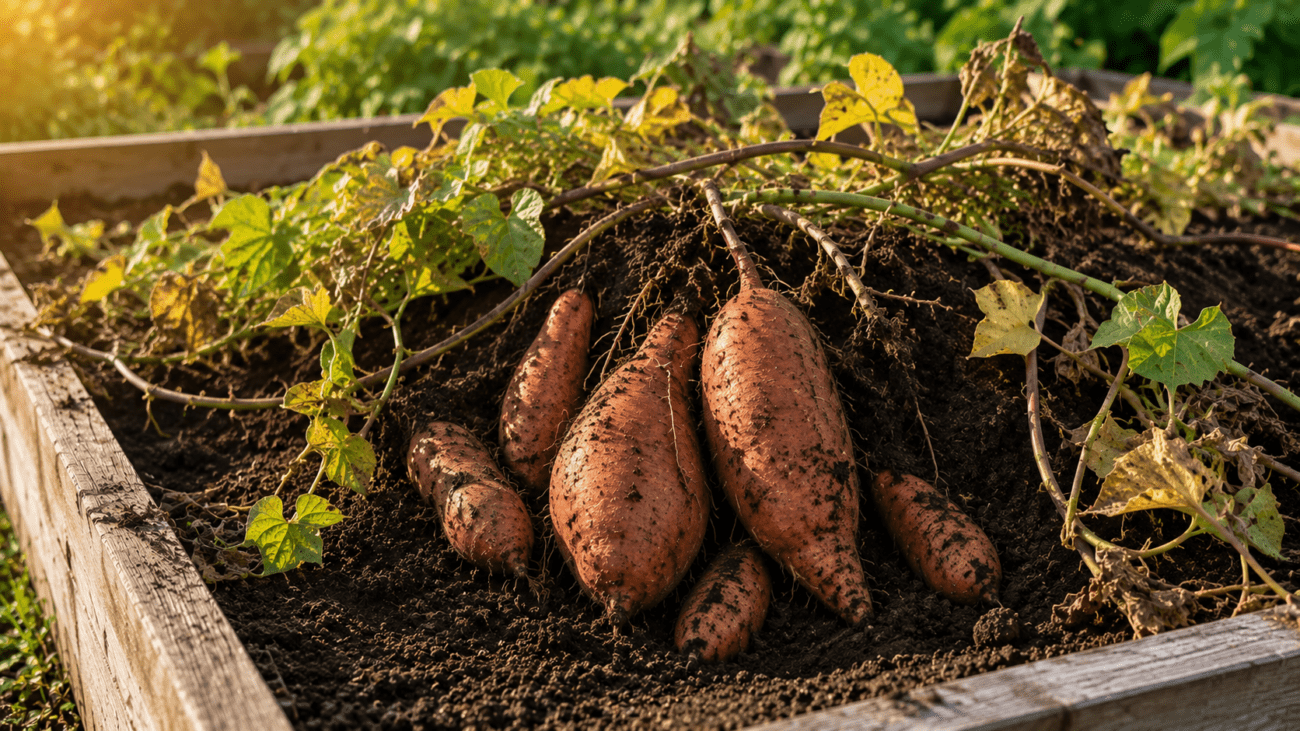
Knowing when to harvest sweet potatoes can take a little patience because most of the crop develops underground. Use both the condition of the vines and the amount of time the crop has been growing to judge when harvesting should begin.
Signs Sweet Potatoes Are Ready for Harvest
Sweet potatoes are generally ready when the vines begin to yellow and the crop has had enough warm growing time to mature. In colder regions, gardeners should also try to harvest before a hard frost damages the plants.
One of the best ways to confirm maturity is to carefully dig around the edge of the planting area and inspect a root before harvesting the entire crop. This lets you check the size and development without disturbing all of the plants.
Sweet Potato Harvest Time
The ideal harvest window can shift according to the cultivar, planting schedule, and climate in your area. Many sweet potatoes are harvested after roughly 90–120 days, although some varieties may need more or less time.
Warm regions with long growing seasons can provide greater flexibility, while gardeners in cooler climates need to plan carefully so the roots have enough time to mature before cold weather arrives.
When to Dig Sweet Potatoes
Harvest on a relatively dry day and loosen the soil carefully around each plant. Avoid pulling the vines aggressively because this can damage the roots beneath the soil.
Start digging a little distance away from the base of the plant, then gradually work toward the center. Sweet potato skins are delicate immediately after harvest, so gentle handling is important.
How to Harvest Sweet Potatoes
Harvesting sweet potatoes is often like uncovering a hidden crop because the roots remain beneath the soil until you dig them up.
How to Harvest Sweet Potatoes
Use a digging fork or spade to loosen the soil around the plant. Begin approximately 12 inches away from the base and work inward carefully to reduce the chance of cutting or bruising the roots.
Once the soil has been loosened, lift the sweet potatoes gently from the ground. Avoid throwing or dropping the roots because fresh skins can be easily damaged.
Handling Freshly Harvested Sweet Potatoes
Freshly dug sweet potatoes should be handled carefully and allowed to dry before long-term storage. Avoid washing or scrubbing them aggressively immediately after harvest.
Set aside any roots that are badly damaged and give the remaining sweet potatoes appropriate curing and storage conditions before keeping them for an extended period.
Frequently Asked Questions
How long does it take to grow sweet potatoes?
Sweet potatoes commonly need around 90–120 days from planting rooted slips to harvest, although the exact growing period varies by variety, climate, and growing conditions.
Can you grow sweet potatoes in a pot?
Yes, large containers can support healthy sweet potato plants as long as the developing roots have sufficient room. A container holding roughly 20 gallons of growing medium can give each plant ample space for root development.
Can you grow sweet potatoes indoors?
Yes, sweet potatoes can be grown indoors, particularly as ornamental vines or for producing slips. Strong light, warmth, suitable soil, and adequate container space are important for healthy growth.
When should you plant sweet potato slips?
Plant rooted slips after the danger of frost has passed and the soil has warmed to around 60°F. Your local weather conditions will determine the most suitable planting date.
How many sweet potatoes can you get from one plant?
A single healthy slip can produce several storage roots. The actual number and size depend on the variety, soil, moisture, growing period, and overall plant health.
How deep should sweet potatoes be planted?
Set each slip into the soil so the roots and lower portion of the stem are covered, while the leafy top remains above ground. This helps the young plant establish securely.
How do you know when sweet potatoes are ready to harvest?
Look for mature vines beginning to yellow and consider how long the crop has been growing. You can also carefully inspect one root before harvesting the entire crop to confirm that the sweet potatoes have reached a suitable size.
Final Thoughts
Once you provide warm soil, vigorous slips, enough room for root development, and steady moisture, sweet potatoes are fairly straightforward to grow.
Whether you plant sweet potatoes in a traditional garden, a large pot, a grow bag, or a small-space vertical setup, giving the roots enough room and keeping the plants warm can make a major difference. With patience and regular care, a small collection of slips can develop into a rewarding harvest of homegrown sweet potatoes.
Recent Posts
How to Grow Sweet Potatoes: A Complete Guide for Beginners

How to Grow Corn: A Complete Guide for Home Gardeners
How to Grow Chili Peppers: A Complete Guide for Beginners
How to Grow Garlic: A Complete Guide to Planting, Caring for, and Harvesting Garlic

How to Grow Pumpkins: A Complete Beginner’s Guide to Bigger Harvests
Gardening Kits for Beginners
Best Time to Harvest Figs
Organic Fertilizer for Grapes
How to Plant and Grow Grapes
How to Grow and Care Cherries
Fertilizer for Banana Trees
How to Grow and Care Banana Tree
How to Grow Onions from Sprouted Onions