How to Grow Chili Peppers: A Complete Guide for Beginners
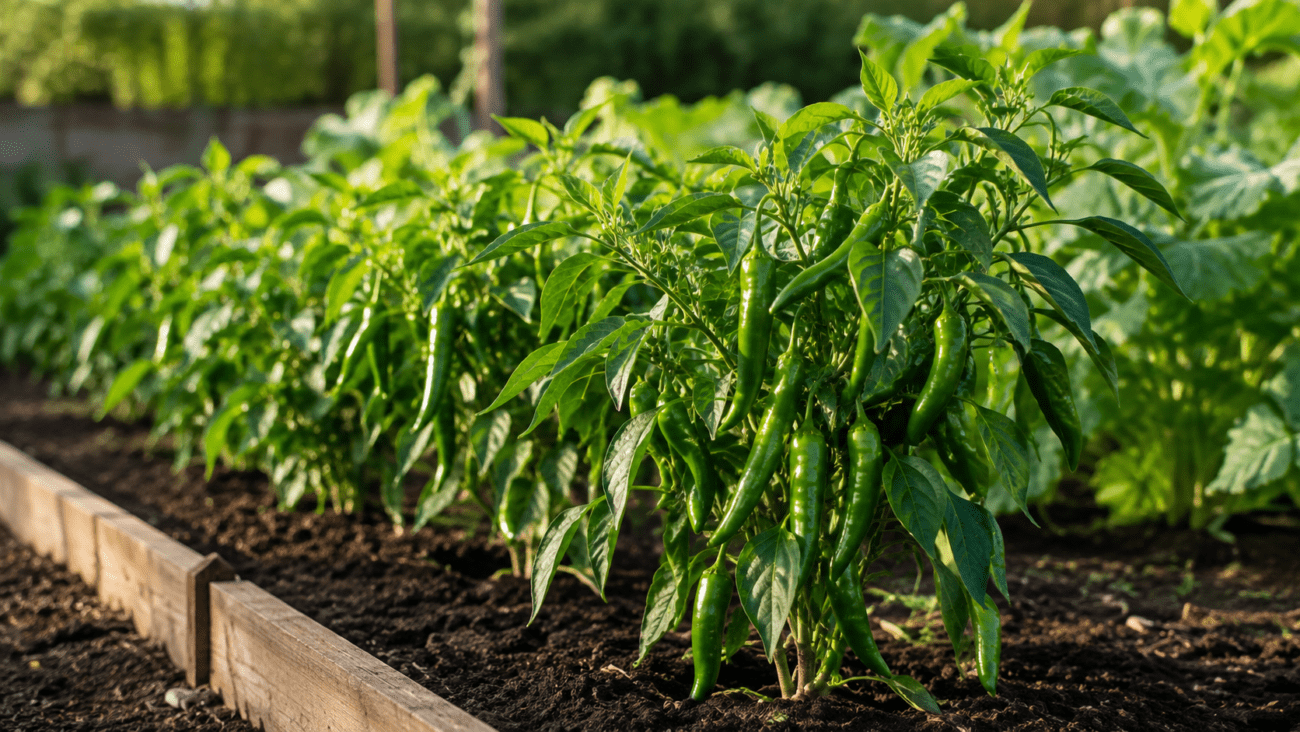
Chili peppers are rewarding plants for home gardeners because they can grow in garden beds, raised beds, containers, and suitable indoor spaces. With the right variety, adequate sunlight, well-drained soil, and regular care, even beginners can grow a productive chili plant at home.
Selecting a chili pepper variety that matches your climate and available growing space is a good place to start. Chili plants differ in size, heat level, growing period, and climate preference, so selecting one that matches your growing conditions can make the entire process easier.
Whether you want to grow mild peppers, green chillies, or hot varieties, the basic process starts with healthy planting material and a suitable growing environment. In this guide, we’ll cover how to plant chili plants, grow them in pots and indoors, prepare the right soil, fertilize them, care for the plants, and harvest the peppers at the right time.
Table of Contents
ToggleHow to Grow Chili Peppers
Choose the Right Chili Pepper Variety
The variety you choose can have a major effect on how well your chili plants perform. Consider your local climate, available growing space, and the mature size of the plant before making a selection.
Chili peppers generally prefer warm growing conditions, but that does not mean gardeners in cooler areas have to give up on growing them. Some varieties are better suited to shorter or cooler growing seasons, while compact types can work well when space is limited.
Plant height can also vary considerably between varieties. Some chili plants remain relatively compact and are suitable for containers, while others become much larger and may need more room as they mature.
For a home garden, choose a variety that fits both your climate and the space available. If you are growing hot chillies, also consider how much heat you want from the mature peppers and how long the variety normally takes to produce a harvest.
When to Plant Chili Peppers
Timing is another important part of growing chili peppers successfully. Chili plants are warm-season crops, so planting them when temperatures are suitable gives young plants a better opportunity to establish themselves and continue growing.
The ideal planting window varies by region. Gardeners in warmer areas may be able to begin earlier, while those in colder regions may need to wait until the danger of cold weather has passed. Starting seeds indoors can also give gardeners in shorter growing seasons a head start.
Rather than following one planting date for every location, consider your local climate and the expected growing conditions. Once the weather is consistently warm enough, chili seedlings can be moved into their permanent growing location.
Starting Chili Peppers From Seeds
You can begin chili plants from seeds or purchase healthy young plants from a nursery. Starting from seed gives you access to a wider selection of varieties, but it requires more time and attention during the early stages.
For seed starting, use a clean container with drainage and a suitable seed-starting or light potting mix. Sow the seeds shallowly, cover them with a thin layer of growing medium, and keep the mix gently moist rather than saturated.
Place the container somewhere warm with suitable light. Once the seedlings emerge and develop several healthy leaves, they can gradually be prepared for transplantation.
If you prefer a quicker and simpler approach, purchasing healthy seedlings from a reputable nursery can reduce the amount of time needed before planting outdoors.
Planting Chili Plants
Once your seedlings are strong enough and outdoor conditions are suitable, they can be moved into the garden or a larger container. Before planting, choose a location that receives plenty of direct sunlight. Position your pepper plants where they can soak up at least 6 to 8 hours of daily direct sunlight.
Prepare the planting area by removing weeds, grass, and stones. Loosen the soil so the roots can spread easily, and make sure excess water can drain away rather than remaining around the roots.
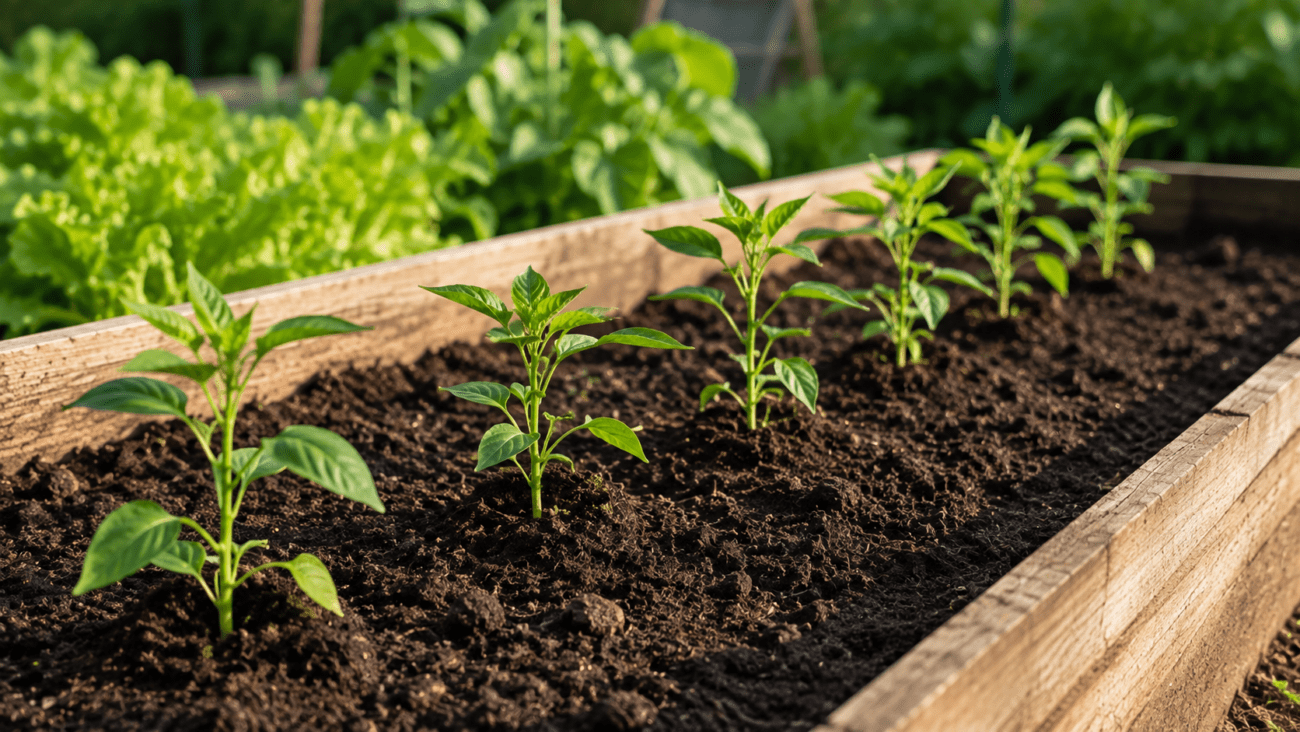
For garden planting, leave about 18–24 inches between individual plants and roughly 2–3 feet between rows. Dig a hole slightly wider than the seedling’s root ball, place the plant in the hole, fill around the roots with soil, and water thoroughly after planting.
If you are planting in a container, use the same basic principles: provide enough root space, good drainage, fertile growing medium, and sufficient sunlight.
Best Soil for Chili Peppers
Good soil preparation gives chili plants a much better foundation for healthy growth and fruit production. Before planting, check the soil’s pH and nutrient condition rather than relying only on appearance.
Soil pH for Chili Peppers
Aim for a slightly acidic to neutral soil environment with a pH level between 6.0 and 6.8. Testing the soil before planting can help you determine whether the growing medium is within a suitable range.
The soil should also drain well. Heavy clay can hold excessive moisture and make it difficult for roots to develop properly, so improving its structure with suitable organic matter can be helpful.
Well-rotted compost or aged manure can improve soil structure while adding organic matter. If the soil test shows that nutrients are lacking, use fertilizer according to the test results rather than applying large amounts without knowing what the plants actually need.
Preparing Soil Before Planting
Start by loosening the planting area and removing weeds and debris. Mix in mature compost or another suitable organic amendment if the soil needs improvement.
For gardeners growing chili peppers in containers, choose a quality potting mix that drains freely. Avoid using dense soil that stays wet for long periods, particularly in containers where poor drainage can quickly create root problems.
A well-prepared growing medium should provide both moisture and drainage, allowing the roots to access water without remaining saturated.
Fertilizing Chili Pepper Plants
Chili plants need nutrients throughout their growing cycle, but their requirements can change as they move from leafy growth into flowering and fruit production.
Nitrogen supports healthy vegetative growth, while phosphorus and potassium play important roles in root development, flowering, and fruit production. The goal is not simply to add as much fertilizer as possible, but to provide nutrients according to the plant’s growth stage and the condition of the soil.
Best Fertilizer for Chili Peppers
A balanced fertilizer can be useful after young plants become established. The source material describes using a balanced fertilizer such as 10-10-10 during early growth, followed later by a fertilizer with relatively higher phosphorus and potassium during flowering and fruit development.
Always follow the product label when applying fertilizer. Over-fertilizing can create problems instead of producing healthier plants, so regular observation and soil testing are better approaches than repeatedly adding fertilizer without a clear reason.
Caring for Growing Chili Plants
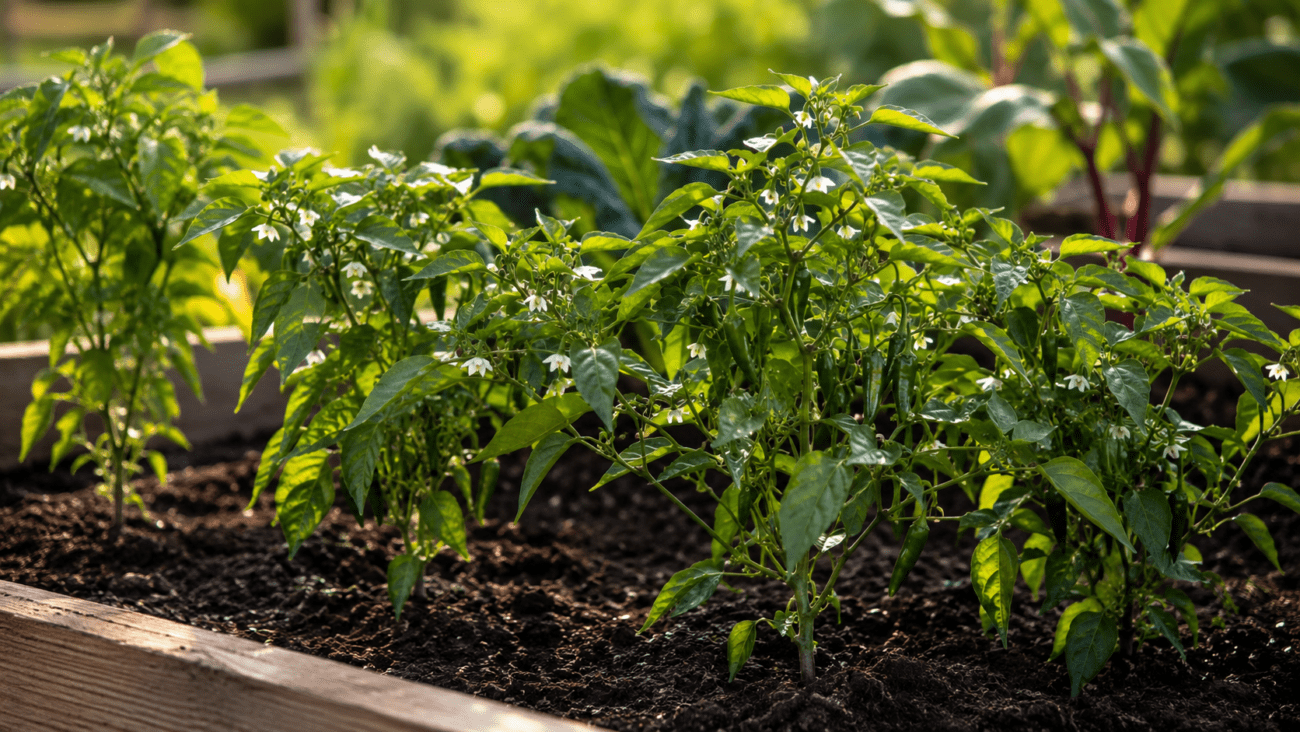
Once chili plants are established, consistent care helps them maintain healthy foliage and produce flowers and peppers throughout the growing season. The main areas to monitor are water, sunlight, temperature, and the condition of the leaves and stems.
Watering Chili Plants
Chili plants need regular moisture while they are actively growing, but the soil should not remain constantly saturated. Water deeply enough to moisten the root zone, then allow the surface of the soil to begin drying before watering again.
Container-grown plants may need more frequent attention because potting mixes can dry out faster than garden soil. Check the growing medium regularly instead of following a rigid watering schedule.
Watering at the base of the plant is preferable to repeatedly wetting the foliage. Good drainage is equally important because excess moisture around the roots can create unfavorable growing conditions.
During particularly hot or dry weather, monitor plants more closely and adjust watering when necessary.
Sunlight and Temperature
Chili peppers are warm-season plants that need plenty of light for vigorous growth and fruit production. A sunny location with around 6–8 hours of direct sunlight is a good target for most home-grown chili plants.
Warm temperatures encourage active growth, while cold conditions can slow development. If you are growing chillies indoors, place the plant where it can receive strong natural light or use a suitable grow light when natural light is insufficient.
Avoid moving indoor plants suddenly between very different temperatures. Gradually adjusting plants to outdoor conditions can reduce transplant stress.
Growing Chili Plants Indoors
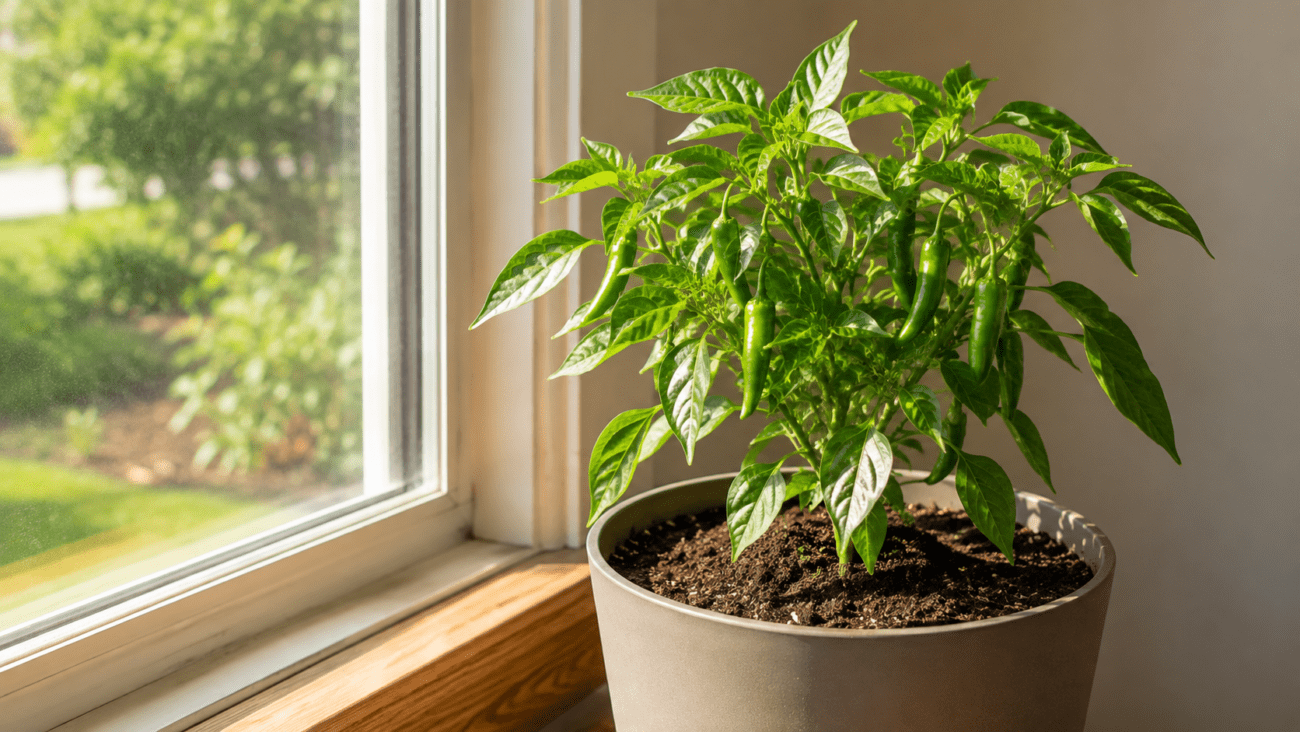
Growing chilli plants indoors can be useful when outdoor space is limited or when you want to continue growing peppers outside the normal garden season.
How to Grow Chilies Indoors
Choose a container with drainage holes and enough room for the plant’s roots. Fill it with a loose, well-draining potting mix rather than heavy garden soil.
Place the plant near a bright, sunny window where it can receive several hours of direct light. If the available light is weak, a grow light can help maintain healthy growth.
Keep the soil moderately moist, but avoid allowing the container to sit in standing water. Indoor plants generally use water more slowly than plants growing outside, so check the soil before watering.
Good air circulation can also help maintain a healthier indoor growing environment. Avoid placing the plant in an extremely dark corner or directly beside a strong heating or cooling source.
How to Grow Chili Peppers in Pots
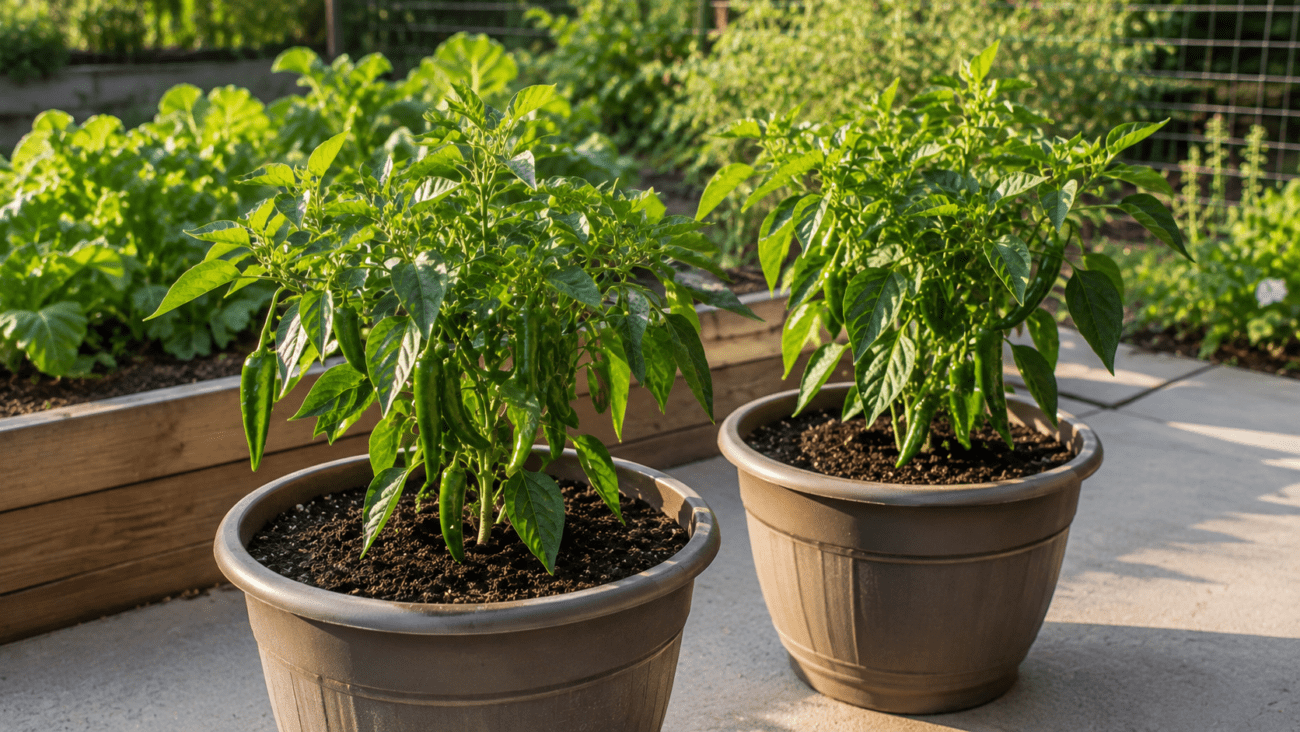
Container gardening makes it possible to grow chili peppers on patios, balconies, and other small outdoor spaces.
Choose a sturdy container with adequate drainage and enough volume for the mature plant. Compact chili varieties are often easier to manage in pots, while larger varieties may require a bigger container and additional support.
Use a quality potting mix that drains well and provides enough structure for the roots. Place the container in a location with plenty of sunlight and rotate it occasionally if one side of the plant receives significantly more light than the other.
Because containers have limited growing volume, nutrients and moisture can change more quickly than they do in a garden bed. Check the soil regularly and provide water and fertilizer according to the plant’s needs rather than applying either on an inflexible schedule.
How Tall Do Chili Plants Grow?
Chili plant height varies widely between varieties. Some compact plants remain suitable for containers, while other types can become considerably taller and wider during the growing season.
The final size is influenced by the variety, sunlight, temperature, available root space, nutrition, and general growing conditions. Giving the plant adequate room from the beginning makes it easier to maintain healthy growth as it matures.
If a taller plant becomes difficult to support, a simple stake or other suitable support can help keep stems upright as fruit develops.
Growing Hot Chillies
Growing hot chillies follows many of the same basic principles as growing other chili peppers, but variety selection becomes especially important. Different hot pepper varieties can vary considerably in plant size, fruit size, heat level, and time to maturity.
Choose a sunny growing location with fertile, well-drained soil, and give each plant enough space to develop without excessive competition from nearby plants. Container-grown hot peppers should also have enough root space and reliable drainage.
During the growing season, keep an eye on the foliage and fruit. Healthy plants should continue producing new leaves and flowers as conditions remain warm and favorable. Consistent watering and appropriate feeding are more useful than frequent heavy applications of either.
Common Problems When Growing Chili Plants
Even when the basic growing conditions are suitable, chili plants can sometimes develop problems that affect growth or fruit production.
Yellow leaves
A few older leaves may naturally change color as the plant develops, but widespread yellowing can indicate an issue with watering, drainage, nutrition, or another growing condition.
Check the soil before adding fertilizer. If the soil is staying wet for long periods, improve drainage and adjust your watering routine rather than simply adding more nutrients.
Poor Flower or Fruit Production
Insufficient sunlight, unsuitable temperatures, inconsistent watering, or excessive nitrogen can all interfere with normal flowering and fruit development.
Make sure plants receive adequate sunlight and avoid keeping the soil either extremely dry or constantly saturated. Once plants begin flowering and producing fruit, maintain steady care instead of making sudden changes to their growing environment.
Pests and Plant Damage
Inspect the leaves, stems, and young growth regularly for signs of insects or other damage. Catching problems early makes them easier to manage.
Remove badly damaged plant material when appropriate and keep the growing area clean. Good spacing and airflow can also help prevent an overly crowded growing environment.
How to Harvest Chili Peppers
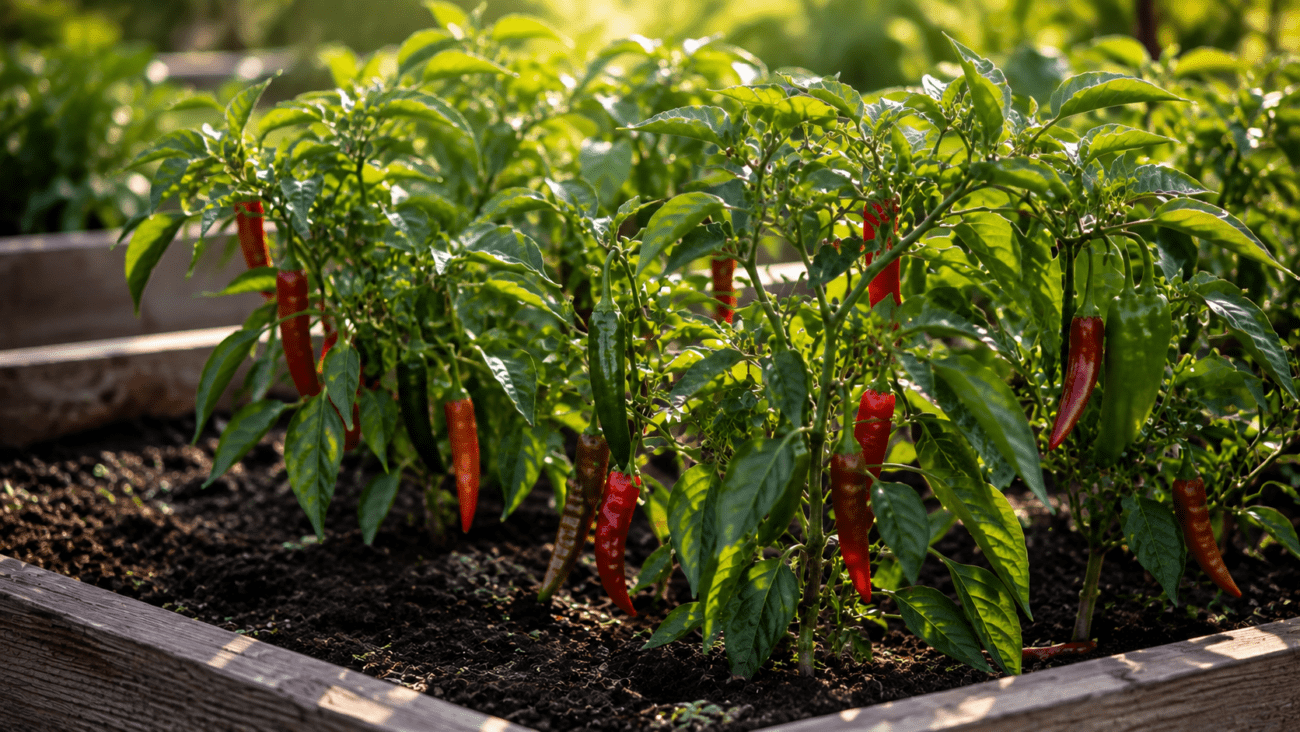
Harvesting at the appropriate stage allows you to enjoy peppers at the desired size, color, and level of maturity.
When Are Chili Peppers Ready to Harvest?
The right harvest stage depends on the variety and whether you want to use the peppers while they are green or allow them to reach their mature color.
Green chili peppers can often be harvested while they are still firm and green. If you prefer fully mature peppers, allow them to develop their characteristic final color before picking.
Regular harvesting can also encourage the plant to continue producing more peppers during favorable growing conditions.
How to Harvest Chili Peppers
Snip the ripe peppers cleanly from the branch using sharp pruners instead of tugging them by hand., particularly when the stems are firm and difficult to snap by hand. Cut the pepper with a small section of stem attached rather than pulling forcefully on the plant.
Handle hot peppers carefully and avoid touching your eyes or face after handling them. For larger harvests, collect the peppers in a clean container and move them to a suitable storage or preparation area.
Harvest regularly instead of allowing fully mature peppers to remain on the plant unnecessarily long. This helps keep the plant productive and gives you a steady supply throughout the season.
Frequently Asked Questions
How long does it take to grow chili peppers?
The time to harvest depends on the chili variety, planting method, climate, and growing conditions. Some varieties produce peppers relatively quickly, while others need a longer growing season to reach full maturity.
Can chili peppers grow indoors?
Chili peppers can also thrive indoors when they have plenty of light, warm conditions, an appropriately sized container, and a growing medium that drains well. A bright window or grow light can help support healthy growth.
Can you grow chili peppers in pots?
Yes. Many chili pepper varieties grow well in containers. Choose a pot with adequate drainage and enough room for the plant’s roots, then place it somewhere that receives plenty of sunlight.
What soil pH is best for chili peppers?
A soil pH around 6.0–6.8 is suitable for chili peppers. Testing the soil before planting can help determine whether the pH or nutrient levels need adjustment.
What is the best fertilizer for chili pepper plants?
During the early growth period, a balanced fertilizer can help plants develop strong foliage. As flowering and fruit formation begin, a fertilizer with greater phosphorus and potassium content may be more appropriate. Follow the product label and avoid excessive applications.
How tall do chili plants grow?
Chili plant height depends heavily on the variety. Compact types can remain relatively small and work well in containers, while larger varieties may become considerably taller and need additional growing space or support.
When should you harvest chili peppers?
You can harvest chili peppers while they are green or wait until they reach their mature color, depending on the variety and your preferred flavor. Pick firm peppers regularly to maintain a productive plant.
Final Thoughts
Growing chili peppers does not require an elaborate garden. With a sunny location, suitable soil, proper planting, regular watering, and appropriate feeding, you can grow productive plants in raised beds, garden soil, containers, or indoors.
The key is to match the variety to your available space and growing conditions, then provide consistent care throughout the season. Whether your goal is fresh green chillies or fully mature hot peppers, paying attention to planting time, soil, nutrition, and harvest timing can help you enjoy a healthy homegrown crop.
Recent Posts
How to Grow Sweet Potatoes: A Complete Guide for Beginners

How to Grow Corn: A Complete Guide for Home Gardeners
How to Grow Chili Peppers: A Complete Guide for Beginners
How to Grow Garlic: A Complete Guide to Planting, Caring for, and Harvesting Garlic
How to Grow Pumpkins: A Complete Beginner’s Guide to Bigger Harvests
Gardening Kits for Beginners
Best Time to Harvest Figs
Organic Fertilizer for Grapes
How to Plant and Grow Grapes
How to Grow and Care Cherries
Fertilizer for Banana Trees
How to Grow and Care Banana Tree
How to Grow Onions from Sprouted Onions