How to Grow Corn: A Complete Guide for Home Gardeners
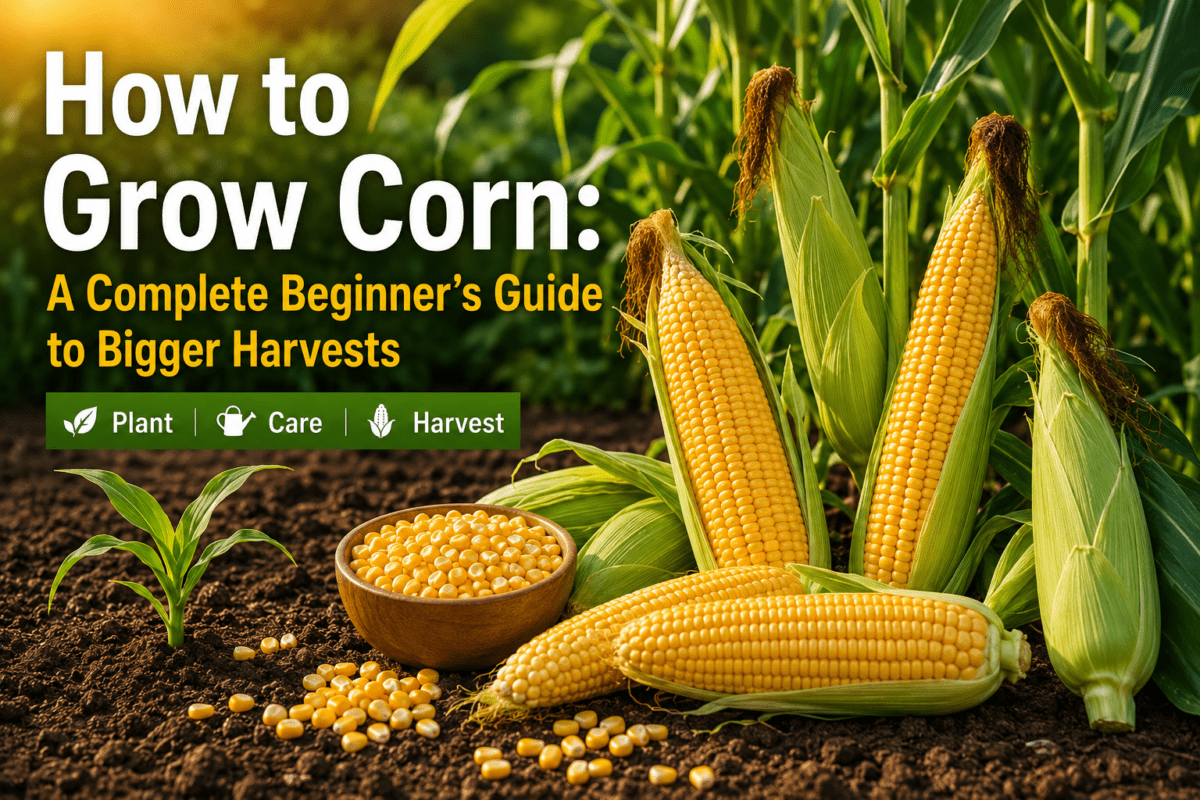
Corn is a rewarding warm-season crop for home gardeners, especially when it receives plenty of sunlight, adequate moisture, and fertile, well-drained soil. With the right variety and proper planting method, corn can be grown in backyard gardens, raised beds, small growing spaces, and even suitable containers.
For the best results, start by choosing a variety that fits your growing conditions and available space. Sweet corn is a popular choice for home gardens, while other corn types may be grown for different purposes. The variety you select can also affect the plant’s mature size, growing period, and harvest time.
Table of Contents
ToggleChoosing the Right Corn Variety
Sweet Corn
Sweet corn is one of the most popular types for home gardeners because the ears can be harvested and eaten fresh. Different sweet corn varieties can vary in plant height, ear size, maturity time, and growing requirements.
When choosing seeds, consider how much space you have available and how long your local growing season lasts. Compact varieties can be useful for smaller gardens, while larger varieties may require more room to grow successfully.
Other Types of Corn
Corn comes in several types, including dent, flint, popcorn, waxy corn, and other specialty varieties. Each type has different characteristics and uses.
For a typical home vegetable garden, sweet corn is often the most practical option if your goal is to enjoy fresh ears during the growing season. However, gardeners interested in specialty crops can choose varieties according to their preferred use and local growing conditions.
When to Plant Corn
Corn needs warm conditions to establish strong growth, so planting at the right time is essential. Seeds should be planted after the soil has warmed sufficiently and the risk of cold weather has passed.
The exact planting period varies depending on your climate. Gardeners in warmer regions may be able to plant earlier, while those in cooler areas generally need to wait longer in spring.
Best Time to Plant Corn
Rather than relying on a single calendar date, consider your local weather and soil conditions. Corn grows best when temperatures are consistently warm, allowing seeds to germinate and young plants to establish without prolonged exposure to cold conditions.
If corn is planted too early, cool soil can delay germination and slow early growth. Waiting until conditions are favorable gives the seeds a better opportunity to emerge evenly.
Soil Temperature for Planting Corn
Before planting, make sure the soil is warm enough for corn seeds to germinate reliably. Warm soil encourages faster emergence and helps young plants establish more quickly.
If your garden experiences a short growing season, selecting an early-maturing corn variety can also help ensure the crop has enough time to reach harvest before the growing season ends.
How to Grow Corn From Seed
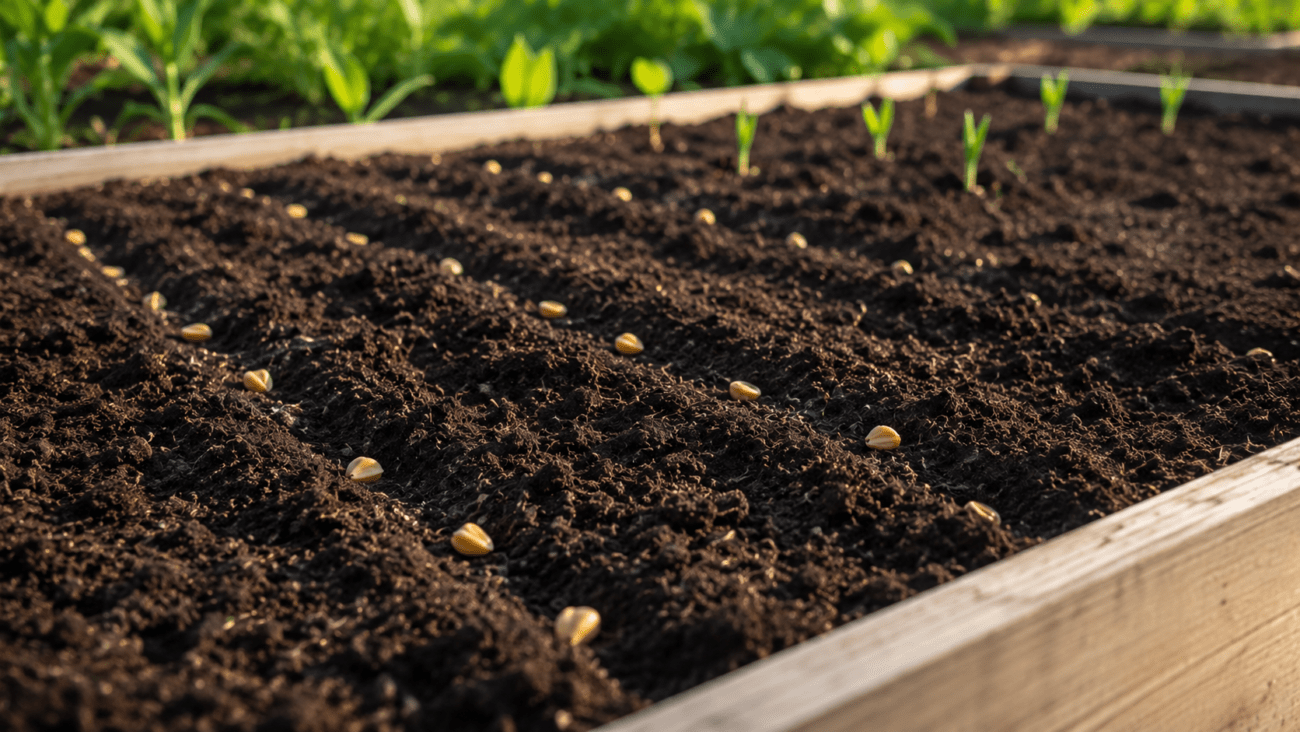
Growing corn from seed is one of the simplest ways to establish a crop. Corn is generally planted directly where it will grow rather than being transplanted repeatedly.
Choosing Quality Corn Seeds
Start with fresh, healthy seeds from a reliable source. Choose a variety suited to your climate and the amount of growing space available.
If you are growing sweet corn, check the expected maturity period on the seed packet. Choosing a variety that fits your local growing season can make harvesting more predictable.
How to Plant Corn Seeds
Prepare the soil by loosening the planting area and removing weeds, stones, and other debris. Plant the seeds at the recommended depth and spacing for the selected variety, then cover them with soil and water gently.
Corn benefits from being grown in blocks or several short rows rather than as one long, isolated row. Growing multiple plants together can improve pollination because corn relies on wind to move pollen between plants.
Keep the soil consistently moist while the seeds are germinating. Once the young plants emerge, continue providing adequate moisture and sunlight as they develop.
Preparing Soil for Corn
Corn grows best when its roots have access to fertile, well-drained soil with enough organic matter. Preparing the planting area before sowing gives young plants a better environment for root development and steady growth.
Best Soil for Growing Corn
Choose a planting location with loose soil that drains well while still retaining enough moisture for the plants. Heavy or poorly drained soil can create unfavorable conditions around the roots, especially during periods of frequent rainfall.
Before planting, remove weeds and loosen the soil to improve its structure. Adding well-aged compost or other suitable organic matter can help improve soil quality when needed.
Soil pH for Corn
Corn generally performs well in slightly acidic to neutral soil. Testing your soil before planting can help determine whether the pH and nutrient levels are suitable for the crop.
If the test indicates that an adjustment is needed, follow the recommendations provided with the soil test rather than adding amendments without knowing what the soil requires.
Preparing the Planting Bed
For a garden bed, loosen the soil several inches deep and remove stones, weeds, and compacted material. Work compost into the planting area if the soil needs additional organic matter.
Rake the surface level before planting so the seeds can be placed at a consistent depth. A well-prepared bed also makes it easier to maintain even spacing and manage weeds during the growing season.
Corn Plant Care
Once corn seedlings emerge, regular care becomes important for maintaining steady growth. Adequate water, sunlight, nutrients, and sufficient space all contribute to healthy plants and well-developed ears.
Watering Corn Plants
Corn needs consistent moisture throughout the growing season, particularly during active growth and ear development. Check the soil regularly and water when necessary rather than allowing the plants to experience prolonged dryness.
Deep watering is preferable to frequent, shallow watering because it encourages moisture to reach the root zone. However, avoid keeping the soil continuously saturated.
Pay particular attention during hot or dry periods. Container-grown corn can dry out more quickly than corn growing in a garden bed, so containers may require more frequent monitoring.
Fertilizing Corn Plants
Corn is a relatively heavy feeder and benefits from fertile soil. If a soil test shows that nutrients are lacking, apply an appropriate fertilizer according to the test recommendations.
Nitrogen is particularly important for strong vegetative growth. Some gardeners apply additional fertilizer beside established plants as they grow, but excessive fertilizer should be avoided because more is not necessarily better.
Keeping the soil fertile before planting and monitoring plant growth throughout the season can help provide the nutrients corn needs without unnecessary applications.
Sunlight and Temperature
Corn needs plenty of direct sunlight to produce strong plants and well-developed ears. Choose an open location where the crop can receive full sun for most of the day.
Warm temperatures encourage active growth, while cold conditions can slow development. Planting after the soil has warmed and maintaining suitable growing conditions gives young corn plants a stronger start.
Supporting Tall Corn Plants
Some corn varieties can become quite tall, particularly when grown in favorable conditions. Strong stems can usually support the plants naturally, but tall corn may be more vulnerable to strong winds.
If your garden is exposed to frequent wind, planting corn in a block rather than a single isolated row can help the plants support one another. Avoid overcrowding, however, because plants still need adequate access to sunlight and air circulation.
Growing Corn in a Small Garden
Corn can be grown successfully in a smaller garden when the available space is planned carefully. Because corn is wind-pollinated, growing several plants together is generally more useful than planting just a few plants scattered around the garden.
How to Grow Corn in a Small Space
Choose a sunny area and organize the plants into a compact block rather than a single long row. This arrangement can help pollen move between plants during flowering.
Select a variety that fits the available space and check its expected mature height before planting. Keep the soil fertile, provide consistent moisture, and avoid placing corn where taller crops will block sunlight for much of the day.
Regularly remove weeds around young plants because competition for water and nutrients can slow their development.
Growing Corn in Raised Beds
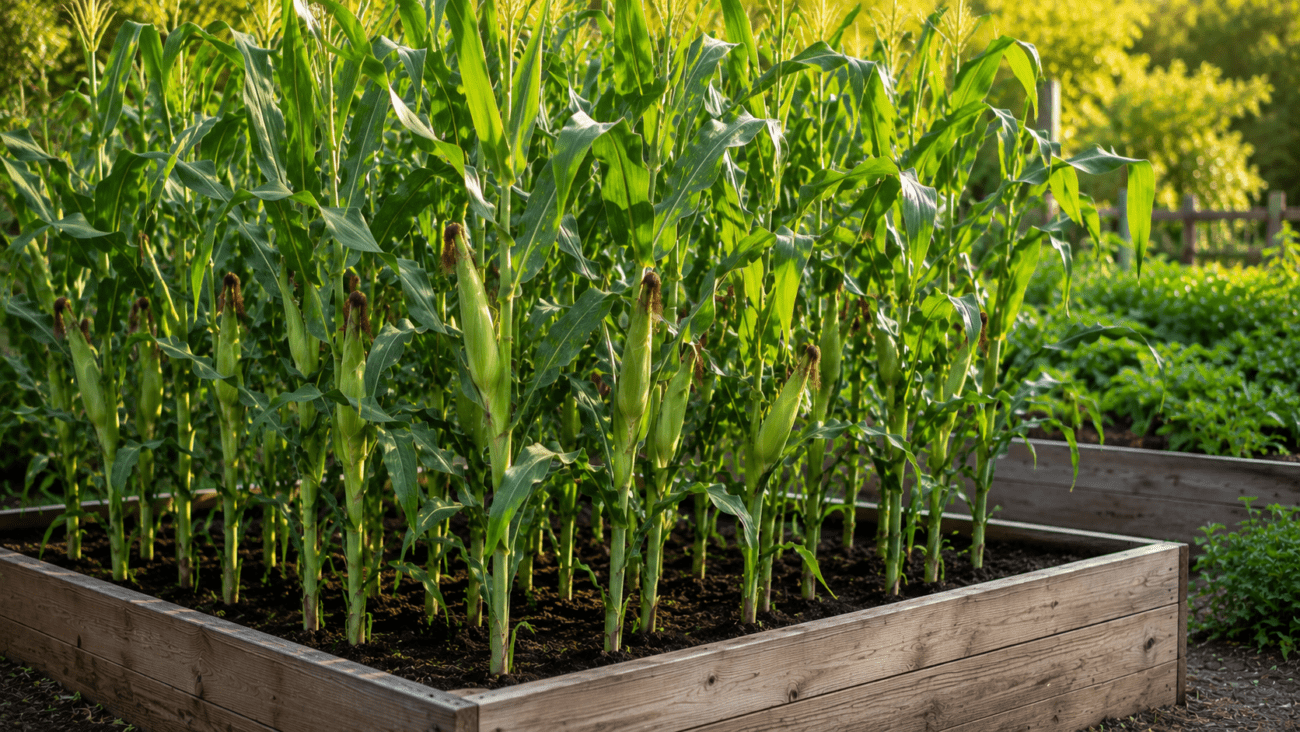
Raised beds can provide a practical growing environment for corn when they are filled with fertile, well-drained soil. Choose a location that receives full sun and prepare the bed before planting.
Plant corn in a compact block with enough space between plants for healthy growth. Keep the soil evenly moist and monitor nutrient levels throughout the growing season.
A raised bed can also make it easier to control soil quality and manage weeds. If the bed is located in an exposed area, consider the mature height of the corn and its exposure to strong winds when deciding where to plant.
How to Grow Corn in Containers
Growing corn in containers is possible, but the container needs to provide enough space for roots and enough plants for effective pollination. Compact or dwarf varieties are generally more practical for this type of gardening.
Can You Grow Corn in a Pot?
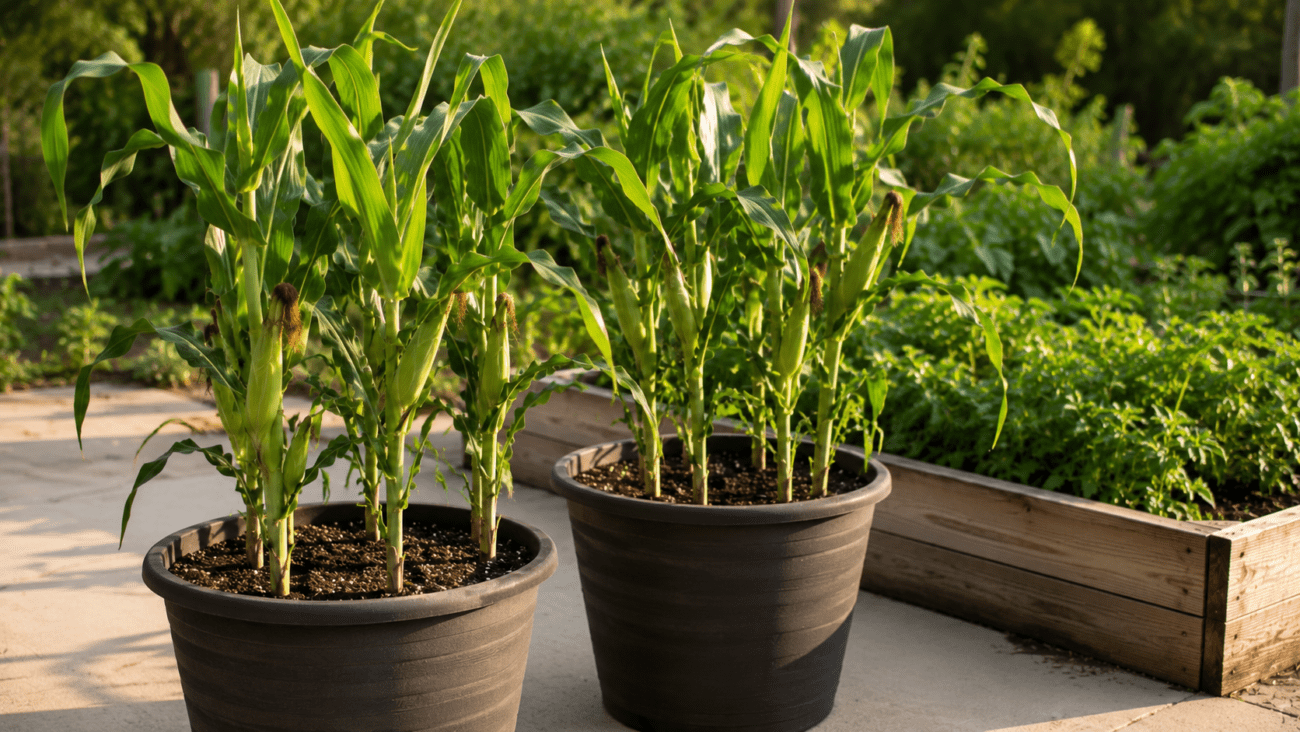
Yes, corn can be grown in pots when suitable varieties are given adequate root space, sunlight, water, and nutrients.
Choose a large, sturdy container with drainage holes. A larger container also provides more room for the roots and helps prevent the growing medium from drying out too quickly.
Rather than growing a single isolated corn plant, grow several plants together when possible. This can improve the chances of successful pollination as the plants begin producing pollen and silks.
Choosing the Right Container
Use a container that is deep and wide enough to accommodate the roots and mature plants. Good drainage is essential, so make sure excess water can escape through the bottom.
Fill the container with a quality potting mix that is loose and well-draining. Avoid heavy garden soil that can become compacted inside a container.
Place the pot in a location with plenty of direct sunlight and check the moisture level frequently. Container-grown corn can require more regular watering and feeding than plants growing in a larger garden bed.
Growing Corn in Grow Bags
Grow bags can be another option when traditional garden space is limited. Choose a large, durable grow bag and fill it with a quality growing medium that provides good drainage.
Plant several corn plants together while maintaining reasonable spacing between them. Place the grow bag in full sun and monitor moisture closely, especially during hot weather.
Because the growing volume is limited, nutrients can become depleted more quickly than in a garden bed. Regular observation and appropriate feeding can help support healthy growth throughout the season.
Corn Plant Growth Stages
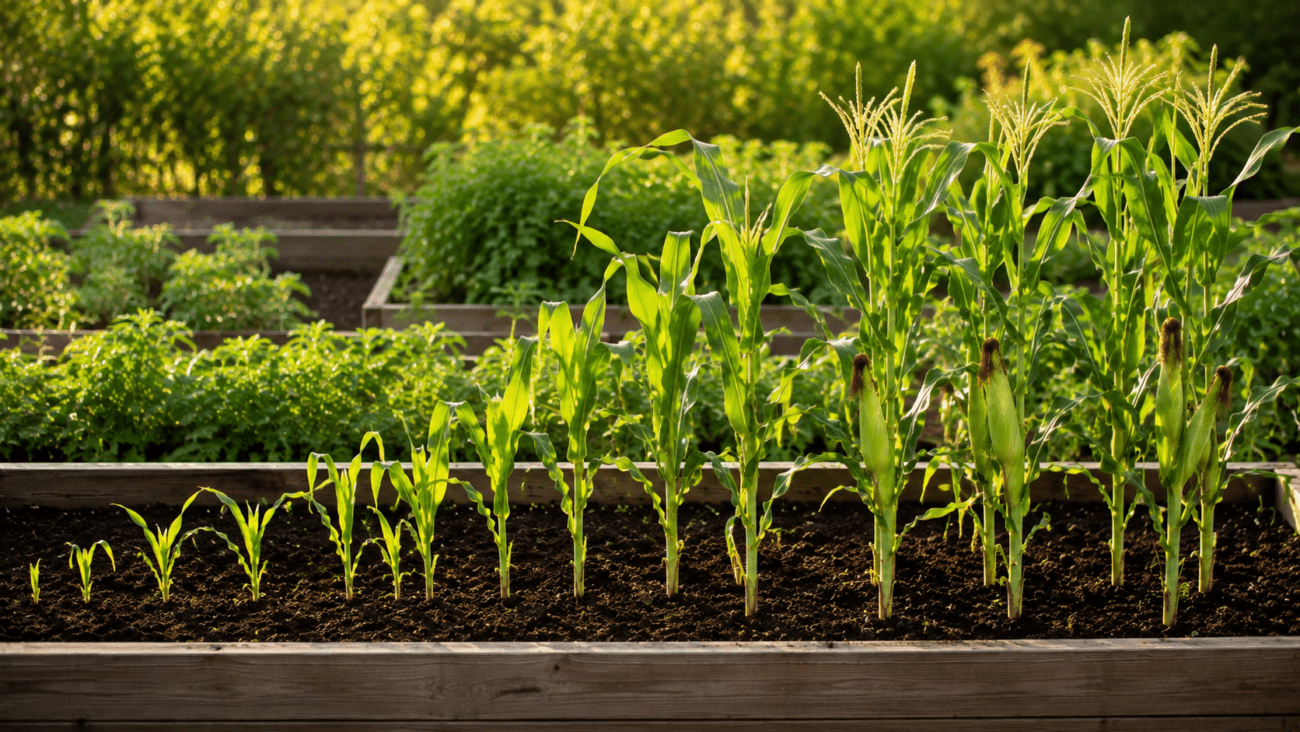
Corn goes through several recognizable stages as it develops from a small seedling into a mature plant. Understanding these stages makes it easier to adjust watering, nutrition, and general care as the crop develops.
Young Corn Plants
After germination, young corn plants begin producing narrow green leaves and gradually establish their root systems. Keep the soil consistently moist during this early stage and make sure the plants receive plenty of sunlight.
Weeds should also be controlled while the plants are young because competition for water, nutrients, and sunlight can slow their development.
Tasseling and Flowering
As corn plants mature, a tassel develops at the top of the stalk. The tassel produces pollen, which is carried by wind to the developing silks on the ears.
This stage is particularly important for pollination. Growing corn in a block can help increase the chance that pollen reaches the silks of nearby plants.
Developing Corn Ears
After successful pollination, the ears begin developing along the stalk. The silks gradually darken and dry as the kernels mature.
Consistent moisture is especially important during ear development. Avoid allowing plants to experience severe water stress during this period, as it can affect the final quality and development of the ears.
Mature Corn Plants
As the crop approaches maturity, the plants reach their full height and the ears become increasingly developed. The exact appearance and maturity period vary depending on the variety and growing conditions.
Continue monitoring the plants and check the ears regularly as harvest approaches.
Common Corn Plant Problems
Corn can encounter several problems during the growing season, particularly when plants are stressed by poor soil, insufficient moisture, pests, or unsuitable growing conditions.
Corn Pests
Inspect corn plants regularly for signs of insect activity. Check the leaves, stalks, and developing ears for unusual damage or other visible signs of pests.
Early detection can make problems easier to manage. Keeping the garden clean and maintaining healthy growing conditions can also help reduce unnecessary stress on the plants.
Corn Plant Diseases
Corn diseases can affect leaves, stalks, or ears and may become more noticeable when growing conditions are unfavorable.
Avoid unnecessarily wet foliage and provide enough space between plants for reasonable air movement. Remove severely affected plant material when appropriate rather than allowing problems to spread throughout the growing area.
Poor Pollination
Poor pollination can result in ears with missing or poorly developed kernels. Since corn depends heavily on wind for pollination, planting only one or two widely separated plants can reduce the likelihood of effective pollen transfer.
Growing corn in a group or block helps place plants close enough for pollen to move between them more effectively.
Yellowing or Slow-Growing Corn Plants
Yellow leaves or unusually slow growth can have several possible causes, including inadequate nutrients, insufficient water, poor drainage, or unsuitable growing conditions.
Before applying fertilizer, check the soil and growing conditions. Correcting the underlying problem is generally more useful than automatically adding more nutrients.
Parts of a Corn Plant
Knowing the main parts of a corn plant can help gardeners understand how the crop develops and identify different stages of growth.
Ear and Kernels
The ear contains rows of developing kernels surrounded by protective husks. As pollination and development progress, the kernels increase in size and eventually reach the stage when they can be harvested.
Tassel and Silk
The tassel develops at the top of the corn plant and produces pollen. The silks emerge from the developing ears and receive pollen during pollination.
Each silk is connected to a potential kernel, making successful pollination an important part of ear development.
Stalk and Leaves
The stalk supports the plant and carries water and nutrients throughout its structure. Long leaves grow from the stalk and capture sunlight needed for photosynthesis.
Roots
Corn roots help keep the plant firmly established while taking up the moisture and nutrients it needs from the soil. Good soil structure and adequate moisture help support healthy root development.
How Long Does Corn Take to Grow?
The time corn needs to reach harvest depends on the variety, planting date, climate, and growing conditions. Some varieties mature relatively quickly, while others need a longer growing season.
How Long Does Sweet Corn Take to Grow?
Sweet corn can often reach harvest in about 60–90 days, but the actual maturity period depends on the variety, weather, and conditions throughout the growing season.
Check the seed packet for the expected days to maturity, but use that number as a guide rather than relying on it alone. Weather, soil moisture, sunlight, and plant health can all influence how quickly the crop develops.
Factors That Affect Corn Growth Time
Several factors can speed up or slow down corn development:
- Variety: Different varieties have different maturity periods.
- Temperature: Warm conditions generally support active growth.
- Sunlight: Corn needs plenty of direct sunlight.
- Water: Consistent moisture is especially important during active growth and ear development.
- Soil fertility: Adequate nutrients help plants maintain healthy growth.
- Planting date: Corn planted in unsuitable conditions may take longer to establish.
How to Harvest Corn
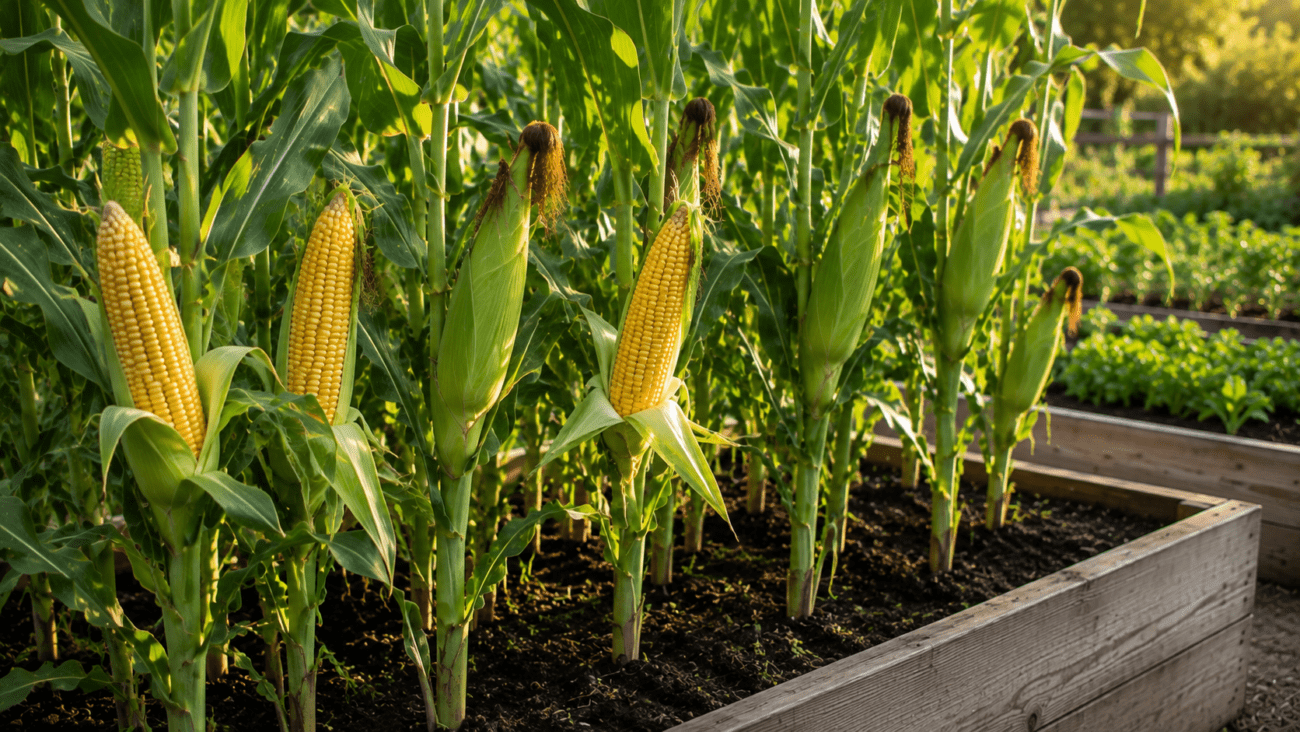
Harvesting at the right stage is important if you want sweet, tender kernels. Once the ears approach maturity, inspect them regularly rather than relying only on the calendar.
How to Know When Corn Is Ready to Harvest
One useful sign is the condition of the silks. As the ears mature, the silks gradually turn brown and dry.
For sweet corn, you can also carefully check an ear by peeling back a small section of the husk and pressing a kernel with your fingernail. Mature kernels should release a milky liquid when the corn is at the eating stage.
Harvest timing can vary by variety, so checking the actual ears is more reliable than assuming every corn plant will mature on exactly the same day.
How to Harvest Corn
When an ear is ready, hold the stalk securely and bend or twist the ear downward until it separates from the plant. Try to avoid damaging the stalk or nearby developing ears.
For the best eating quality, harvest sweet corn relatively close to the time you plan to use it. Freshly harvested ears generally retain their desirable sweetness better than corn that is left sitting for an extended period.
How to Store Fresh Corn
If you are not going to eat the harvested corn immediately, keep the ears cool to help maintain quality.
For longer storage, corn can be blanched briefly, cooled in ice water, drained, and then packaged for freezing. This allows you to preserve part of the harvest for later use.
Frequently Asked Questions
How long does corn take to grow?
Corn commonly takes around 60–90 days to reach harvest, although the exact time depends on the variety, planting date, climate, and growing conditions.
Can you grow corn in containers?
Yes, corn can be grown successfully in a sufficiently large container if you select an appropriate variety and provide adequate space for the roots, along with plenty of sunlight, moisture, and nutrients. Growing several plants together can also help with pollination.
Can you grow corn in a pot?
Yes. A large pot with good drainage can support corn, particularly compact or dwarf varieties. Use a quality potting mix and place the container where the plants receive plenty of direct sunlight.
When should you plant corn?
Plant corn after the soil has warmed and the risk of cold conditions has passed. The ideal planting period varies by climate, so local weather and soil conditions should guide the timing.
How deep should corn seeds be planted?
Planting depth depends on the variety and soil conditions, so follow the recommendations on the seed packet. The seeds should be planted deeply enough to remain securely in the soil while still being able to emerge easily.
Can corn grow in a raised bed?
Yes. Raised beds can be an excellent option for growing corn when they provide fertile, well-drained soil, full sunlight, adequate moisture, and enough space for several plants to grow together.
How do you know when corn is ready to harvest?
For sweet corn, mature ears usually have brown, drying silks and well-developed kernels. Pressing a kernel with a fingernail can also help—when it releases a milky liquid, the ear is generally at a suitable eating stage.
Final Thoughts
Growing corn at home is possible in a traditional vegetable garden, raised bed, small growing space, or large container when the plants receive the conditions they need. Choosing an appropriate variety and planting at the right time gives the crop a strong start.
From seed germination through tasseling, pollination, ear development, and harvest, consistent sunlight, moisture, fertile soil, and proper spacing are important. With regular observation and timely care, even home gardeners with limited space can enjoy fresh corn from their own garden.
Recent Posts
How to Grow Sweet Potatoes: A Complete Guide for Beginners

How to Grow Corn: A Complete Guide for Home Gardeners
How to Grow Chili Peppers: A Complete Guide for Beginners
How to Grow Garlic: A Complete Guide to Planting, Caring for, and Harvesting Garlic
How to Grow Pumpkins: A Complete Beginner’s Guide to Bigger Harvests
Gardening Kits for Beginners
Best Time to Harvest Figs
Organic Fertilizer for Grapes
How to Plant and Grow Grapes
How to Grow and Care Cherries
Fertilizer for Banana Trees
How to Grow and Care Banana Tree
How to Grow Onions from Sprouted Onions